7132 State Rt 3, Westerville Ohio 43082


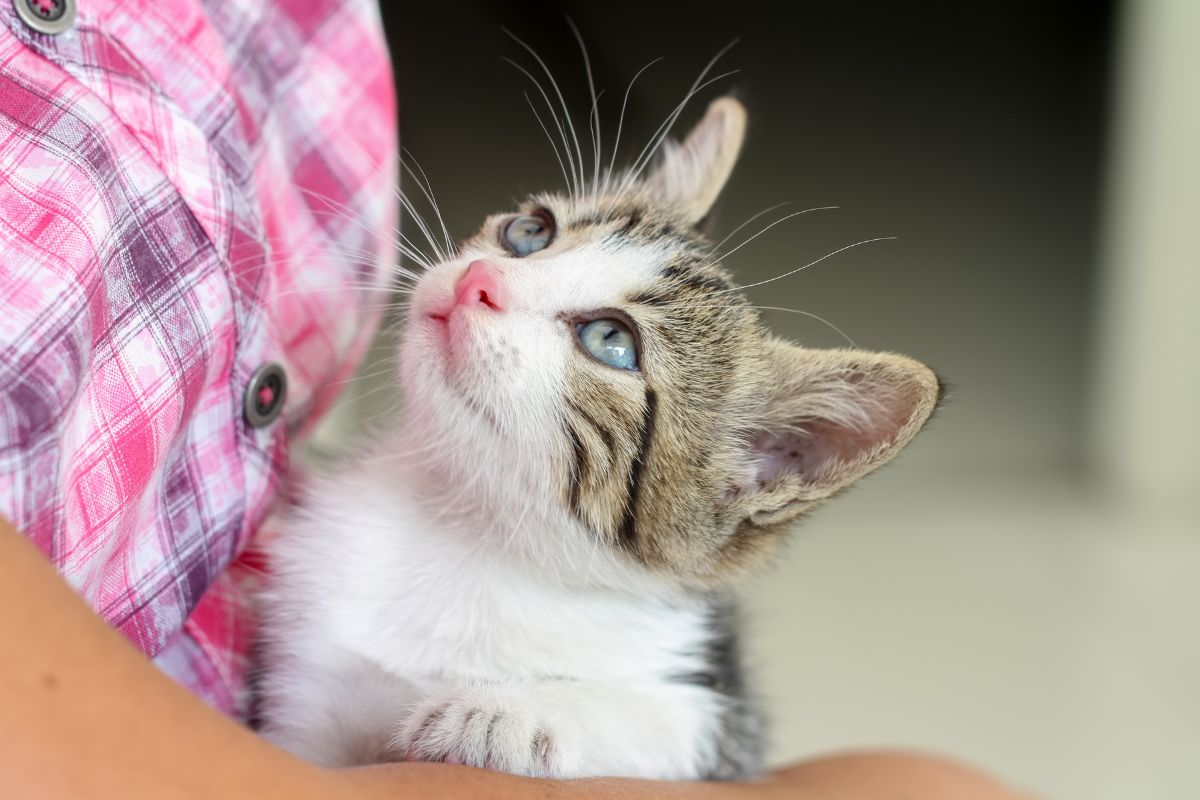
Kittens are curious, energetic, and constantly developing, but their young age also makes them more vulnerable to certain illnesses and health problems. Their immune systems are still developing, and issues such as parasites, infections, nutritional deficiencies, and injuries can sometimes progress quickly.
For new cat owners, knowing what is normal and recognizing early warning signs can make a meaningful difference. A kitten that suddenly stops eating, becomes unusually quiet, develops diarrhea, or has difficulty breathing may need prompt veterinary attention.
Understanding common kitten health problems can help you respond sooner and support your kitten’s healthy growth.
Why Are Kittens More Vulnerable to Health Problems?
Kittens undergo rapid physical and behavioral development during their first months of life. Their immune systems are still maturing, and young kittens may not yet have completed their core vaccination series.
They can also be exposed to health risks through contact with other cats, contaminated environments, parasites, unsafe household objects, or inappropriate nutrition.
Some kittens also arrive at their new homes with health problems that were not immediately obvious. A veterinary examination soon after adoption can help identify concerns early and establish an appropriate preventive care plan.
10 Common Health Problems in Kittens
1. Upper Respiratory Infections
Upper respiratory infections are common in kittens, particularly those coming from shelters, rescues, catteries, or multi-cat environments.
These infections can involve viruses, bacteria, or a combination of pathogens.
Signs to watch for:
- Sneezing
- Nasal discharge
- Watery or irritated eyes
- Congestion
- Coughing
- Reduced appetite
- Low energy
- Fever
A kitten with mild sneezing may recover with supportive care, but difficulty breathing, significant eye discharge, dehydration, or refusal to eat warrants veterinary evaluation.
2. Intestinal Parasites
Roundworms, hookworms, and other intestinal parasites are common in kittens. Some parasites can be transmitted through the mother, contaminated environments, or ingestion of infected material.
Kittens with parasites may still appear playful while carrying a significant parasite burden.
Possible signs include:
- Diarrhea
- Vomiting
- Bloated abdomen
- Poor growth
- Dull coat
- Weight loss
- Decreased appetite
- Worms or unusual material in stool
Because some intestinal parasites can also affect people, appropriate veterinary testing and parasite control are important for both kitten and household health.
3. Fleas
Fleas are more than an irritating nuisance. A heavy flea infestation can cause significant blood loss in a small kitten and may contribute to anemia.
Look for:
- Excessive scratching
- Biting at the skin
- Restlessness
- Hair loss
- Flea dirt in the coat
- Pale gums
- Weakness
Very young kittens with heavy flea infestations can become seriously ill. Never apply a flea product to a kitten unless it is specifically labeled as safe for that kitten’s age and weight.
Some flea products intended for dogs can be toxic to cats.
4. Diarrhea
Diarrhea is another frequent concern in young kittens. It may result from parasites, infectious disease, sudden diet changes, stress, food intolerance, or other medical conditions.
A brief episode does not always indicate a serious illness, but kittens can become dehydrated quickly.
Signs that require attention include:
- Frequent watery stool
- Blood or mucus in stool
- Vomiting alongside diarrhea
- Poor appetite
- Weakness
- Dry or tacky gums
- Reduced activity
Persistent or severe diarrhea should be evaluated by a veterinarian, especially in a very young kitten.
5. Vomiting
Occasional vomiting can have several causes, but repeated vomiting in a kitten should not be ignored.
Potential causes include parasites, dietary problems, infections, toxins, or swallowing a foreign object.
Watch for:
- Repeated vomiting
- Blood in vomit
- Refusal to eat or drink
- Abdominal discomfort
- Weakness
- Diarrhea
- Dehydration
- Distended abdomen
If you suspect your kitten swallowed string, ribbon, thread, or another foreign object, contact a veterinarian promptly. Do not pull visible string from the mouth or rectum because doing so can potentially cause internal injury.
6. Ear Mites
Ear mites are tiny parasites that can cause significant irritation in cats. They are particularly common among kittens that have lived in close contact with other cats.
Common signs include:
- Frequent ear scratching
- Head shaking
- Dark, coffee-ground-like material in the ears
- Redness
- Irritation
- Sensitivity around the ears
Other ear conditions can produce similar symptoms, so an examination is important before starting treatment. Your veterinarian can determine whether ear mites or another condition is responsible.
7. Eye Infections and Conjunctivitis
Eye problems are common in kittens, particularly those with respiratory infections.
Conjunctivitis can cause inflammation of the tissues surrounding the eye.
Signs may include:
- Redness
- Swelling
- Watery eyes
- Yellow or green discharge
- Squinting
- Keeping an eye closed
- Sensitivity to light
Eye problems can sometimes worsen quickly. A kitten that is squinting, has significant swelling, or appears painful should receive veterinary attention rather than being treated with leftover eye medication.
8. Ringworm
Despite its name, ringworm is caused by a fungus, not a worm. It can affect the skin, hair, and sometimes the claws.
Kittens can be particularly susceptible, and the infection can spread between animals and people.
Possible signs include:
- Circular areas of hair loss
- Broken hairs
- Scaly skin
- Crusting
- Redness
- Itching
Not every kitten with hair loss has ringworm. Allergies, parasites, infections, and other skin conditions can produce similar symptoms. Veterinary testing may be necessary to confirm the diagnosis.
9. Nutritional Problems
Growing kittens have specific nutritional requirements that differ from those of adult cats. Feeding an inappropriate diet can interfere with healthy development.
Kittens generally need a complete and balanced diet formulated specifically for growth.
Potential warning signs of nutritional problems include:
- Poor weight gain
- Weakness
- Poor muscle development
- Dull coat
- Digestive problems
- Delayed growth
Avoid making homemade diet changes without veterinary nutritional guidance. Kittens have rapidly changing nutritional needs, and deficiencies or imbalances can have serious consequences.
10. Injuries and Accidental Trauma
Kittens are naturally curious and may climb, jump, chew, and explore areas that are unsafe.
Falls, bites, burns, accidental ingestion of medications, and other household accidents can cause injuries.
Seek veterinary attention if you notice:
- Limping
- Difficulty standing
- Trouble breathing
- Bleeding
- Severe pain
- Swelling
- Sudden weakness
- Unusual behavior after a fall or accident
Even if a kitten seems fine after an accident, some internal injuries may not be immediately obvious.
Warning Signs That Should Never Be Ignored
Some symptoms require prompt veterinary attention because young kittens can deteriorate faster than healthy adult cats.
Contact a veterinarian promptly if your kitten has:
- Difficulty breathing
- Severe or persistent vomiting
- Severe diarrhea
- Blood in vomit or stool
- Refusal to eat
- Significant weakness or collapse
- Pale, blue, or gray gums
- Seizures
- Severe abdominal swelling
- Suspected toxin ingestion
- A serious injury
- Signs of dehydration
A kitten that is not eating should receive particular attention. Young kittens have limited energy reserves, and prolonged food refusal can become dangerous.
How Can You Keep a Kitten Healthy?
Preventive care plays an important role in reducing common kitten health problems.
Schedule an Early Veterinary Examination
A veterinary examination after bringing a kitten home can help identify parasites, infections, nutritional concerns, congenital abnormalities, and other problems.
The veterinarian can also create an individualized vaccination, parasite prevention, nutrition, and wellness plan.
Keep Vaccinations on Schedule
Kittens require a series of vaccinations because maternal antibodies can interfere with early immune responses, while their own immune protection is still developing.
Your veterinarian can recommend an appropriate vaccination schedule based on your kitten’s age, lifestyle, exposure risks, and health history.
Use Appropriate Parasite Prevention
Parasite prevention should be based on the kitten’s age, weight, health status, and risk of exposure.
Never use a product simply because it worked for another pet. Cats can be particularly sensitive to certain ingredients used in products formulated for dogs.
Feed a Complete Kitten Diet
Choose a nutritionally complete and balanced kitten food appropriate for growth. Follow feeding recommendations while monitoring your kitten’s body condition and growth.
Your veterinarian can help determine whether the diet and feeding amount are appropriate.
Create a Safe Home Environment
Kitten-proof your home by securing medications, cleaning products, toxic plants, electrical cords, small objects, and other potential hazards.
Keep windows and balconies secure, and supervise kittens around other pets until introductions have been handled safely.
How Often Should a Kitten See a Veterinarian?
Kittens generally need several veterinary visits during their first months of life because this period involves vaccinations, parasite control, growth monitoring, and preventive care.
The exact schedule depends on age, health history, vaccination status, lifestyle, and individual needs.
Regular examinations also provide an opportunity to discuss nutrition, behavior, litter box habits, dental development, spaying or neutering, and long-term preventive care.
Kittens can develop health problems quickly, but many concerns can be managed more effectively when they are recognized early. Monitoring your kitten’s appetite, energy, breathing, stool, skin, eyes, ears, and behavior can help you identify changes that deserve attention.
Routine examinations, vaccinations, parasite prevention, proper nutrition, and a safe home environment form the foundation of lifelong feline health. When something seems unusual, contacting a veterinary professional rather than waiting for symptoms to worsen is often the safest approach.
If you are in Westerville, Ohio, and need guidance from a vet near you regarding veterinary care for Kittens, schedule your appointment with WestVets Maxtown Veterinary Clinic. A personalized wellness plan can help your kitten get the preventive care, nutrition guidance, and early health support needed for a strong start in life.
Frequently Asked Questions
Q1. What are the most common health problems in kittens?
Ans: Common problems include upper respiratory infections, intestinal parasites, fleas, diarrhea, vomiting, ear mites, eye infections, ringworm, nutritional problems, and injuries. Early veterinary examinations can help identify these concerns before they become more serious.
Q2. When should I take my kitten to the veterinarian?
Ans: A newly adopted kitten should generally receive a veterinary examination soon after coming home. Immediate care is appropriate for symptoms such as difficulty breathing, severe vomiting or diarrhea, refusal to eat, extreme weakness, suspected poisoning, seizures, or significant injury.
Q3. How do I know if my kitten is sick?
Ans: Changes in appetite, energy, litter box habits, breathing, stool, vomiting, eye or nasal discharge, coat condition, or behavior can indicate illness. Because kittens may hide symptoms, even subtle changes can warrant veterinary advice.
Q4. Can kittens get parasites even if they stay indoors?
Ans: Yes. Kittens can acquire certain parasites before adoption, through their mother, contaminated environments, fleas, or other routes. Indoor living reduces some exposure risks but does not eliminate parasite concerns.
Q5. Is diarrhea normal in kittens?
Ans: Diarrhea is relatively common but should not automatically be considered normal. Parasites, infections, dietary changes, stress, and other conditions can cause it. Persistent, severe, bloody, or accompanied-by-vomiting diarrhea requires veterinary evaluation.
Q6. How can I prevent health problems in my kitten?
Ans: Preventive care includes regular veterinary examinations, recommended vaccinations, appropriate parasite prevention, a complete kitten diet, good hygiene, safe housing, and monitoring for changes in appetite, behavior, stool, and activity.