7132 State Rt 3, Westerville Ohio 43082


Bringing home a pet comes with exciting milestones, from playful puppy days to building a lifelong bond. Decisions about your pet’s health can feel overwhelming, especially when it comes to surgery. Many owners wonder whether the procedure is necessary, when to schedule it, and how recovery works afterward. Learning the facts can make the choice easier and less stressful.
If you’re a pet owner in Westerville, this blog is especially for you. Understanding the benefits of spaying and neutering can help you make informed choices for your companion’s long-term wellness and behavior. Scheduling a visit with WestVets Maxtown Veterinary Clinic can help you decide the right timing for your pet’s needs.
Healthier Futures Begin With Early Prevention
Many pet owners ask themselves whether to spay or neuter their dog or cat when they reach adolescence. Choosing surgery at the appropriate time can support long-term health while reducing several preventable risks.
Reduced Risk Of Reproductive Health Problems
Spaying and neutering may lower the chance of certain medical conditions later in life.
- Prevents uterine infections: Female pets avoid dangerous infections such as pyometra that can become life-threatening.
- Reduces cancer risks: Spaying before the first heat cycle may decrease the risk of mammary tumors.
- Protects male reproductive health: Neutering eliminates the possibility of testicular cancer in male pets.
Fewer Hormone-Driven Behavioral Challenges
Hormones can strongly influence behavior in both cats and dogs.
- Less roaming behavior: Neutered pets are less likely to wander in search of mates.
- Reduced marking indoors: Many male pets stop urine spraying after surgery.
- Lower aggression levels: Hormonal aggression and territorial behavior may improve over time.
Best Timing Depends On Breed and Lifestyle
Pet owners often ask whether they should spay their pet during puppyhood or wait until adulthood. The best timing varies based on factors such as breed size, health history, and lifestyle.
Puppies and Small Breeds Mature Faster
Smaller breeds generally reach maturity sooner than large-breed dogs.
- Earlier surgery timing: Small dogs may undergo surgery around six months old.
- Quicker recovery periods: Younger pets often bounce back faster after surgery.
- Behavior management benefits: Early procedures may reduce unwanted mating behaviors before they become habits.
Large Breeds Need Individualized Surgical Planning
Larger dogs may benefit from waiting slightly longer before surgery.
- Bone development matters: Growth plates in larger breeds close later than in smaller dogs.
- Joint health considerations: Delayed timing may support proper skeletal growth in some dogs.
- Veterinary evaluation helps: Each pet should receive a personalized recommendation based on health and breed.
Many owners also wonder about the right age to spay their puppy during preventive care visits. A veterinarian can assess development, weight, and overall health before advising on the best timing for surgery.
Common Surgical Procedures Explained for Pet Owners
Understanding the basics of veterinary surgery for pets can help ease anxiety before appointment day.
Spaying Involves Female Reproductive Organ Removal
During a spay procedure, reproductive organs are surgically removed while the pet is under anesthesia.
- Performed under monitoring: Heart rate, breathing, and oxygen levels are closely watched.
- Requires small incisions: Modern techniques often minimize surgical trauma.
- Usually, same-day discharge: Most pets return home the same day after observation.
Neutering Removes Male Reproductive Tissue
Neutering is generally less invasive than spaying.
- Shorter surgical duration: Owners often ask how long neuter surgery takes, and many procedures are completed within an hour.
- Smaller incision sites: Male pets usually require minimal suturing.
- Fast recovery timeline: Most pets resume normal routines within several days.
Recovery Days Require Patience and Consistency
Healing after surgery depends heavily on carefully following recovery instructions.
Limiting Activity Supports Proper Healing
Energetic pets may need extra supervision during recovery.
- Restrict jumping and running: Excess movement can strain incision sites.
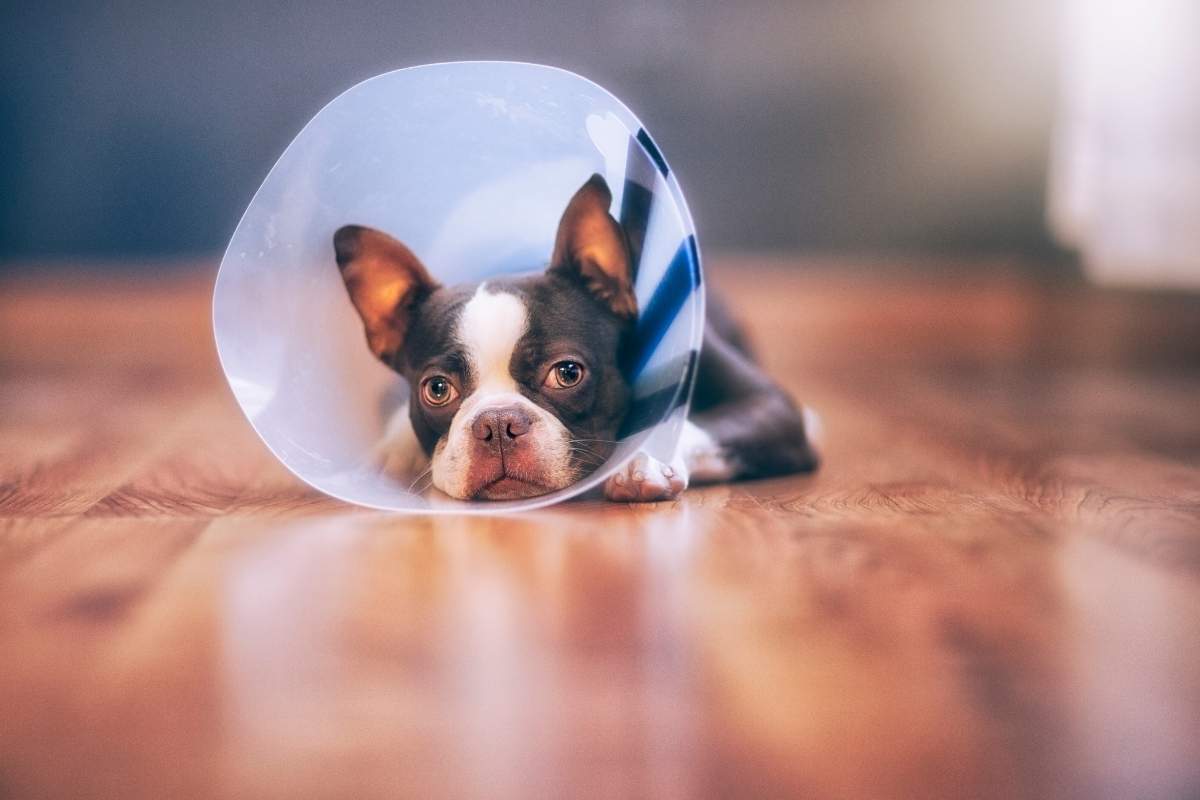
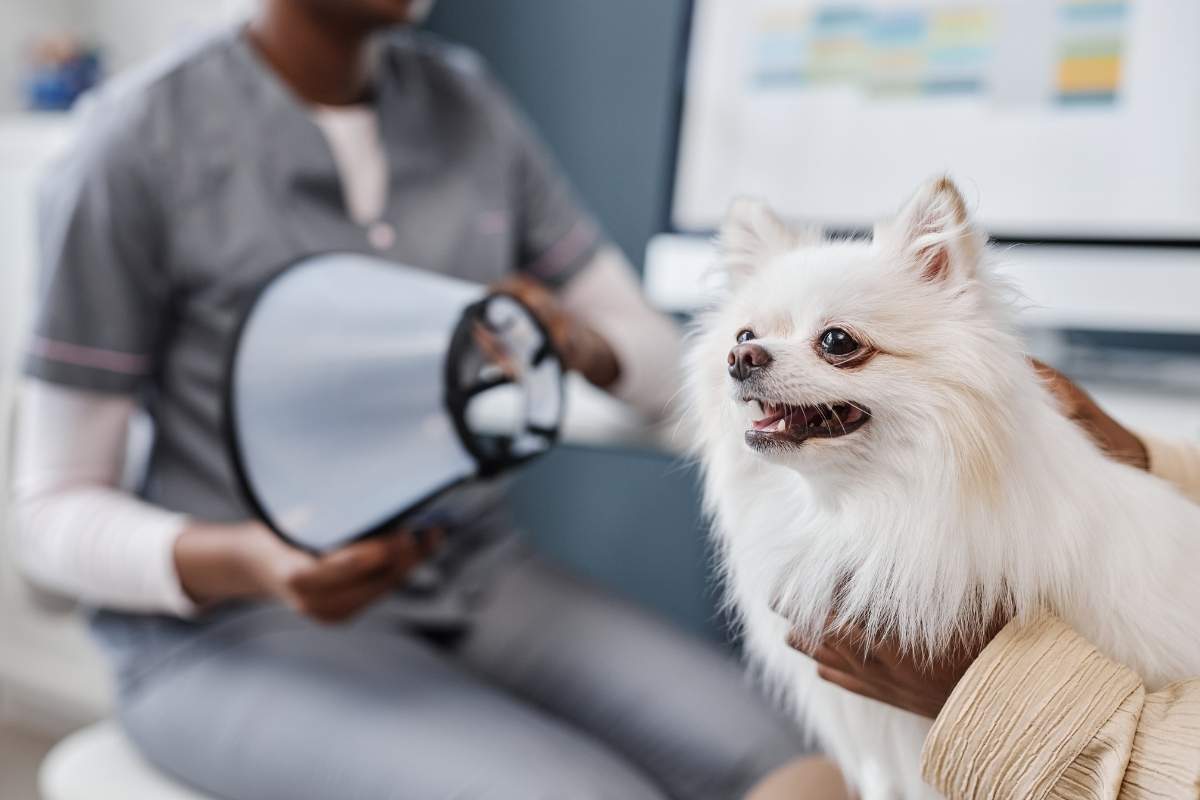
- Use recovery collars consistently: Preventing licking reduces the risk of infection.
- Provide quiet resting spaces: Calm environments support faster healing.
Monitoring Symptoms Prevents Recovery Complications
Owners should observe pets closely during the first several days.
- Watch for swelling: Mild redness is normal, but excessive swelling requires attention.
- Check appetite changes: Temporary appetite reduction may occur after anesthesia.
- Follow medication schedules: Pain management supports comfort and recovery.
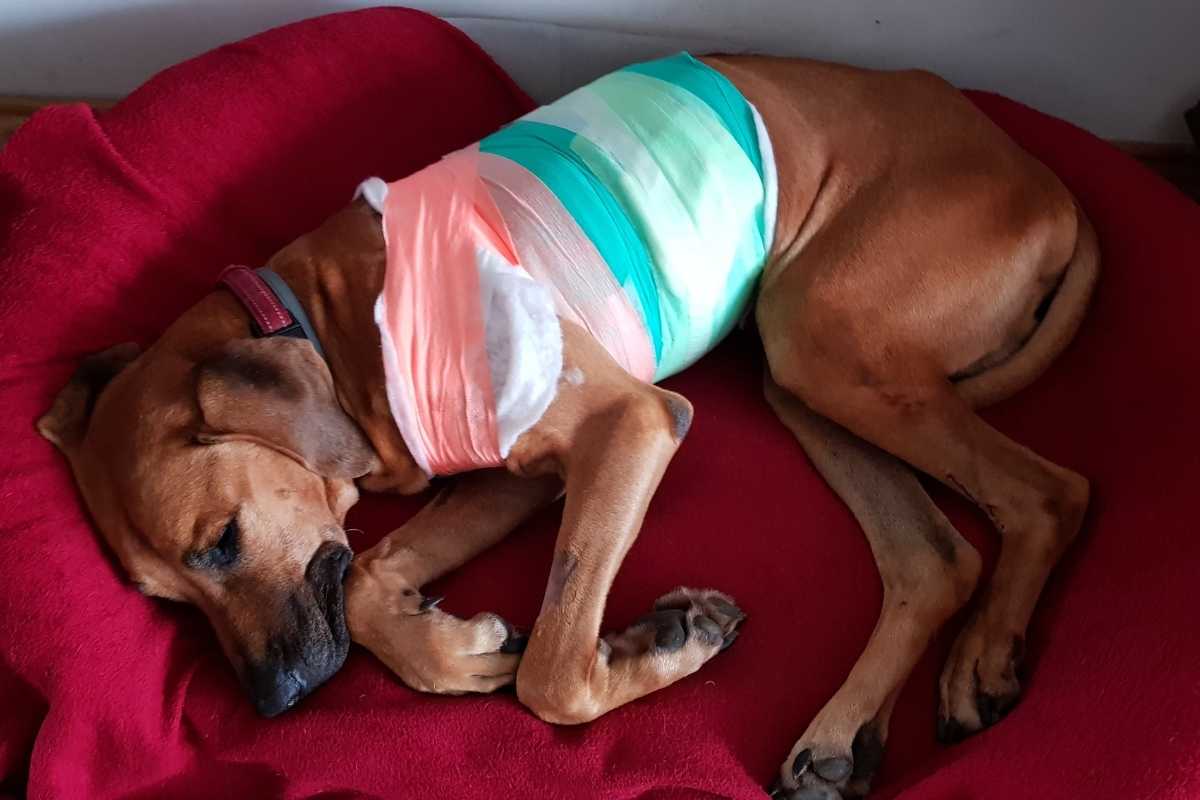
Proper post-operative pet care can make recovery smoother while reducing the risk of complications.
Better Population Control Protects Animal Communities
Unplanned litters contribute to overcrowded shelters and homeless animal populations.
Fewer Unwanted Litters Reduce Shelter Burdens
Preventive surgery plays a major role in animal welfare efforts.
- Controls pet overpopulation: Fewer accidental litters reduce shelter intake numbers.
- Protects vulnerable animals: Stray populations often face illness and injury.
- Supports responsible ownership: Preventive care improves long-term planning.
Indoor Cats Also Benefit From Surgery
Some owners assume indoor pets do not require sterilization procedures.
- Unexpected escapes happen: Indoor cats may still find opportunities to roam.
- Heat cycles create stress: Female cats in heat may vocalize frequently.
- Male spraying behaviors increase: Unneutered cats often mark territory indoors.
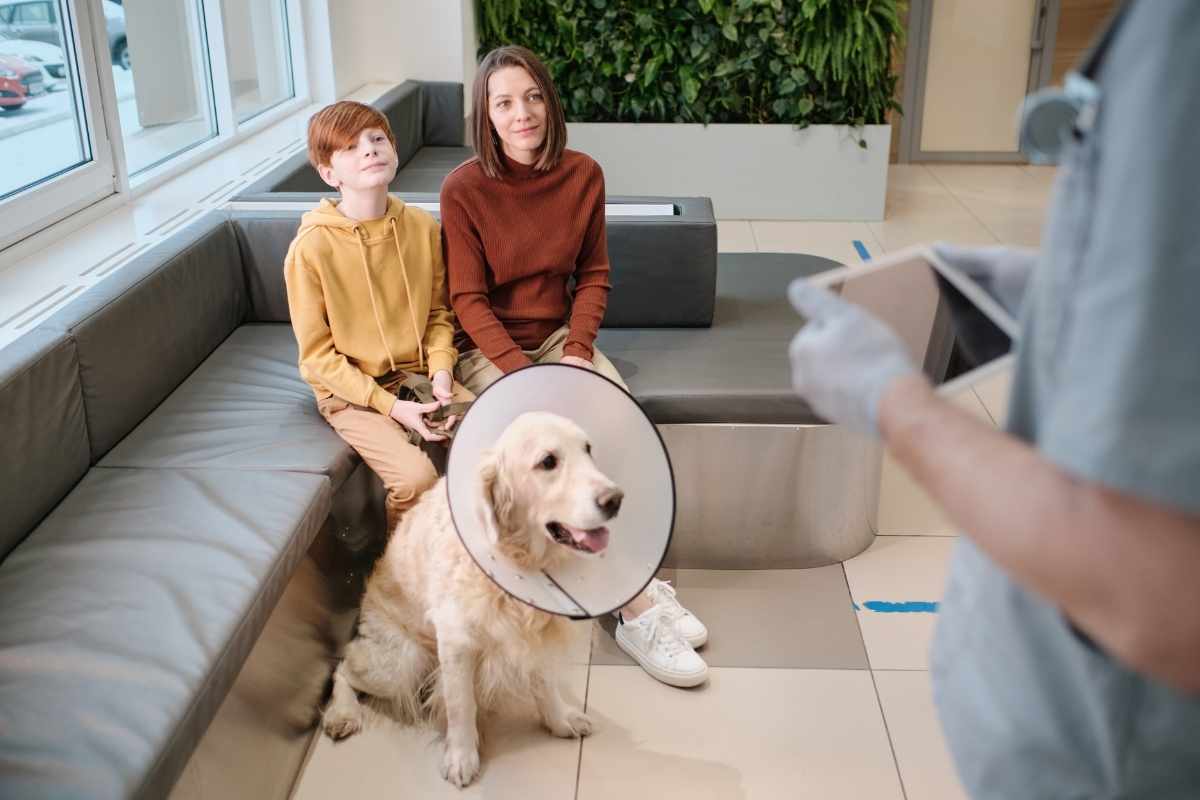
For pet owners seeking preventive wellness support, WestVets Maxtown Veterinary Clinic continues to help families navigate important health decisions for dogs and cats. Their team focuses on safe surgical planning, careful monitoring, and practical recovery guidance that helps owners feel informed throughout the process. Many local families appreciate the welcoming environment and the attention given to pets before, during, and after routine procedures.
Surgery Preparation Helps Pets Feel More Comfortable
Preparing before the day of surgery can reduce stress for both owners and pets.
Pre-Surgical Instructions Matter for Safety
Veterinary teams provide instructions designed to reduce the risks of anesthesia.
- Fasting before surgery: Pets are usually asked to avoid food after midnight.
- Medication reviews: Owners should discuss all supplements and medications beforehand.
- Arrival timing matters: Early check-ins allow time for evaluations and preparation.
Bringing Pets Home Requires Planning Ahead
Recovery begins immediately after discharge.
- Prepare soft bedding areas: Comfortable resting spaces encourage relaxation.
- Limit household excitement: Quiet surroundings support recovery during the first days.
- Separate energetic pets: Prevent rough play around healing incisions.
Long-Term Benefits Extend Beyond Reproductive Health
The benefits of spaying and neutering go beyond preventing pregnancy.
Improved Household Harmony Often Follows Surgery
Behavioral improvements can create calmer home environments.
- Reduced mating instincts: Pets may become less distracted by hormonal urges.
- Fewer dominance behaviors: Some pets display calmer interactions after surgery.
- Less nighttime restlessness: Pets often settle more comfortably indoors.
Preventive Care Supports Lifelong Wellness Goals
Routine procedures can become part of a broader wellness plan.
- Encourages regular veterinary visits: Surgical planning often includes wellness evaluations.
- Creates early health baselines: Exams help identify concerns before symptoms worsen.
- Supports healthier aging: Preventive care contributes to long-term quality of life.
Helping Pets Thrive Through Every Life Stage
Choosing surgery for your pet is a personal decision influenced by health, lifestyle, and long-term goals. Learning about the procedure, recovery process, and timing recommendations can help you feel more confident moving forward. Conversations with a veterinarian can provide guidance tailored to your pet’s breed, age, and overall health condition.
If you’re in Westerville and looking for spay and neuter services near you, book an appointment with WestVets Maxtown Veterinary Clinic. Our team helps pet owners understand surgical options, recovery expectations, and wellness recommendations designed to support safer healing and healthier futures for dogs and cats at every stage of life.
FAQs
Q1. Why do some pets gain weight after surgery?
Ans. Hormonal changes may slightly reduce metabolism after surgery. Balanced nutrition, portion control, and regular activity help pets maintain a healthy weight while supporting long-term wellness and energy levels.
Q2. Can older pets still safely undergo spaying or neutering?
Ans. Older pets can often undergo surgery safely after a physical exam and diagnostic testing. Health conditions, breed, and overall fitness help determine whether surgery remains a suitable option.
Q3. Why does my pet need a cone after surgery?
Ans. Recovery collars prevent licking, biting, and scratching around the incision site. Excessive licking can delay healing, introduce bacteria, and increase the chance of irritation or infection.
Q4. Does surgery change my pet’s personality permanently?
Ans. Most pets maintain the same affectionate personality after surgery. Hormone-related behaviors may decrease, while playful habits, attachment, and social interactions generally remain unchanged.
Q5. Can pets eat normally the night after surgery?
Ans. Many pets return to normal eating habits within 24 hours. Smaller meals and plenty of water are usually recommended initially to avoid stomach upset after anesthesia.