7132 State Rt 3, Westerville Ohio 43082


Hearing your pet needs surgery can bring a wave of emotions almost instantly. Worry, uncertainty, and endless questions often follow the moment a veterinarian recommends a procedure. Many pet owners wonder how pet surgery works, what recovery looks like, and how their companion will feel afterward. Understanding each stage of the process can help reduce stress and make you feel more prepared for your pet’s care journey.
Surgical procedures may range from routine spaying and neutering to dental extractions, mass removals, or orthopedic treatments. If you’re a pet owner in Westerville, OH, this blog is especially for you. Learning what happens before, during, and after pet surgery can help you support your companion confidently. It may now be the perfect time to schedule a visit with WestVets Maxtown Veterinary Clinic.
Pre-Surgery Exams Help Identify Health Risks
A veterinarian conducts pre-surgical assessments to better understand your pet’s overall health before anesthesia and surgery.
Initial Assessments Support Safer Surgical Planning
- Physical examinations evaluate health: Heart rate, breathing, weight, and body condition are all carefully reviewed.
- Bloodwork checks organ function: Testing helps identify hidden kidney, liver, or metabolic concerns.
- Medication history matters: Certain medications may affect anesthesia or recovery.
- Age influences recommendations: Senior pets sometimes require additional monitoring before surgery.
Pre-surgical evaluations are a great way for veterinarians to personalize anesthesia and treatment plans, ensuring they’re just right for your beloved pet’s unique needs.
Fasting Instructions Must Be Followed Carefully
Most pets require fasting before surgery to reduce anesthesia-related risks.
Common instructions may include:
- No food after a certain hour: An empty stomach reduces the risk of vomiting during anesthesia.
- Limited water intake guidelines: A veterinarian often provides specific instructions beforehand.
- Medication adjustments if necessary: Certain prescriptions may require temporary changes.
Following instructions carefully helps the surgery proceed more safely and smoothly.
Admission Day Begins With Careful Preparation
Surgery mornings often evoke strong emotions in pet owners as veterinary teams start preparing animals soon after check-in.
Veterinary Staff Prepare Pets Before Procedures
- Weight measurements confirm medication dosing: Accurate dosing supports anesthesia safety.
- Vital signs receive monitoring: Temperature, heart rate, and breathing help establish baselines.
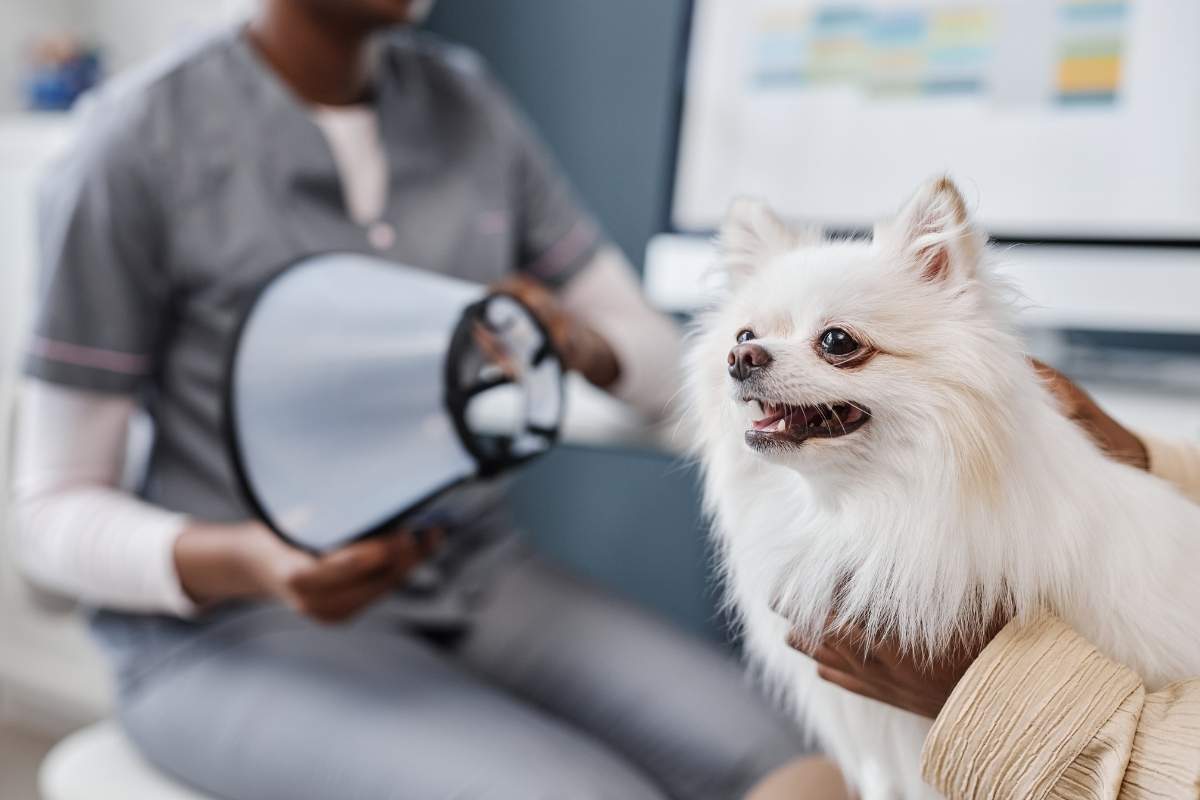
- Intravenous catheters provide fluid access: Fluids help maintain hydration and circulation.
- Comfort measures reduce stress: Calm environments help pets settle before surgery.
Many pets become sleepy after receiving pre-anesthetic medications that are intended to lessen anxiety and discomfort.
Anesthesia Allows Procedures To Be Performed Safely
Modern veterinary anesthesia includes various safety precautions to ensure your pet’s well-being during surgery.
Monitoring Equipment Tracks Important Body Functions
- Heart rate monitors track circulation: Monitoring helps identify changes quickly.
- Oxygen levels are continuously monitored: Proper oxygen delivery remains essential during anesthesia.
- Temperature monitoring prevents complications: Body temperature sometimes drops during procedures.
- Blood pressure monitoring supports stability: Circulation changes require close observation.
Anesthesia protocols vary depending on your pet’s age, health condition, and surgical procedure.
Pain Management Starts Before Surgery Begins
Veterinarians often begin pain management for pets before procedures to ensure optimal comfort.
Pain management may include:
- Injectable medications: Pre-surgical pain relief helps ensure a smoother recovery.
- Anti-inflammatory medications: Certain medications reduce swelling and discomfort.
- Local anesthetics: Numbing medications sometimes target surgical areas directly.
Proactively managing discomfort helps pets recover more comfortably afterward.
Surgical Procedures Vary Depending On Treatment Needs
Every surgery follows different steps depending on the condition being treated. Routine procedures may require shorter recovery times, while orthopedic or internal surgeries often involve additional monitoring.
- Spay and neuter procedures: Recovery usually progresses within several days.
- Dental surgeries: Tooth extractions may temporarily affect eating habits.
- Mass removals: Surgical sites require monitoring for swelling or irritation.
- Orthopedic procedures: Mobility restrictions often become necessary during healing.
Recovery Monitoring Starts Immediately After Surgery
Pets remain under observation while waking from anesthesia. Recovery periods vary depending on the procedure performed and the pet’s overall health.
Veterinary Teams Watch for Important Recovery Signs
- Breathing patterns normalize gradually: Monitoring continues closely after anesthesia.
- Body temperature receives attention: Warming measures may support comfort during recovery.
- Regularly evaluated pain levels: Medication adjustments sometimes become necessary.
- Mobility improves slowly: Pets may appear sleepy or unsteady initially.
Grogginess, mild confusion, or temporary vocalization may occur while anesthesia wears off.
Discharge Instructions Help Guide Home Recovery
Owners usually receive detailed aftercare instructions before bringing pets home.
Instructions commonly include:
- Medication schedules: Pain relief and antibiotics often require precise timing.
- Feeding recommendations: Smaller meals may help prevent nausea initially.
- Activity restrictions: Excess movement can interfere with healing.
- Incision monitoring guidelines: Surgical sites require daily observation.
Careful home monitoring plays a major role in successful recovery.
Home Recovery Requires Patience and Consistency
Many pets recover comfortably at home when owners closely follow a vet’s instructions.
Creating Calm Spaces Supports Better Healing
- Provide quiet resting areas: Reduced stimulation encourages relaxation.
- Limit jumping and running: Excess activity may strain healing tissues.
- Keep bedding clean and soft: Comfortable recovery spaces support healing.
- Separate energetic pets temporarily: Rough play may reopen incisions.
Consistency helps pets adjust more comfortably during recovery periods.
For many families, navigating pet surgery feels less stressful when communication remains clear throughout each stage of care. WestVets Maxtown Veterinary Clinic continues supporting pets through surgical evaluations, anesthesia monitoring, pain management, diagnostics, and post-operative recovery guidance. Their team remains attentive to patient comfort while helping owners understand healing expectations, medication routines, and recovery milestones following surgical procedures.
Incision Monitoring Helps Prevent Healing Problems
Surgical sites require close observation during the healing process.
Watch Carefully For Signs Of Complications
- Excessive redness or swelling: Mild irritation may occur initially, though worsening inflammation deserves attention.
- Discharge from the incision: Drainage may signal infection or irritation.
- Persistent licking or chewing: Pets sometimes accidentally irritate stitches.
- Bleeding around the surgical site: Ongoing bleeding should be evaluated promptly.
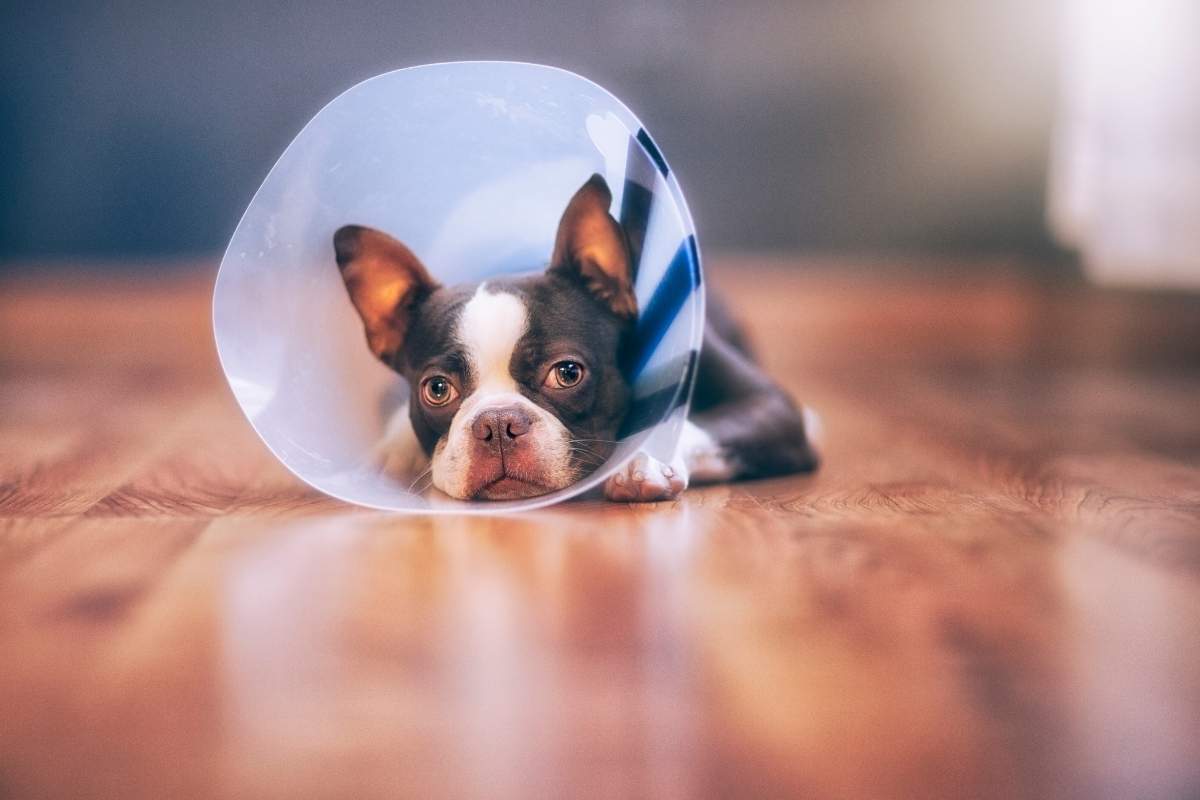
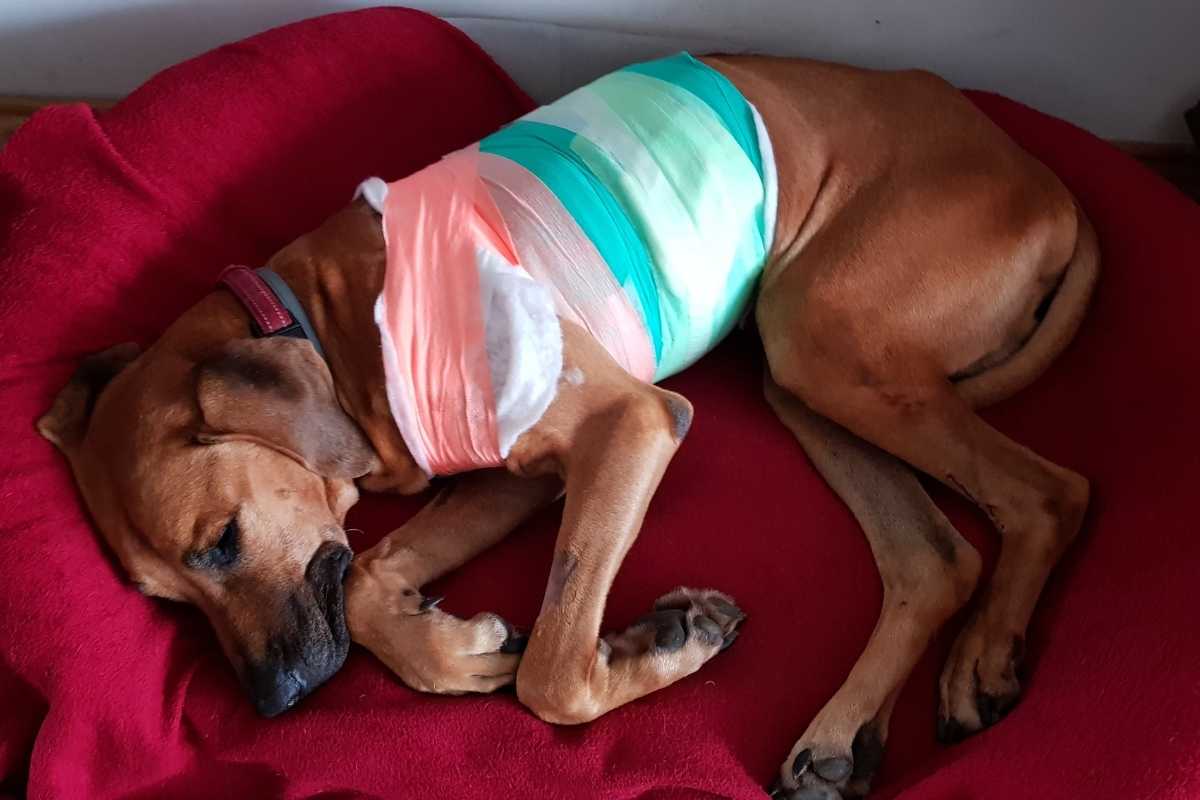
Elizabethan collars or recovery suits may help prevent incision damage during healing.
Appetite Changes Commonly Occur After Surgery
Some pets eat less than usual during the first recovery day. Temporary appetite changes often improve gradually as anesthesia fully wears off.
Gentle Feeding Adjustments Support Recovery Comfort
- Offer smaller meals initially: Large meals may upset sensitive stomachs.
- Encourage hydration carefully: Fresh water should remain available.
- Monitor nausea signs closely: Vomiting after surgery deserves attention if persistent.
- Follow dietary instructions closely: Certain procedures require temporary food adjustments. A veterinarian should thoroughly evaluate pets that refuse to eat for an extended time.
Activity Restrictions Protect Healing Surgical Areas
Pets often feel better before their bodies have fully healed. Restricting activity remains important even when energy levels improve quickly.
Controlled Movement Helps Prevent Surgical Complications
- Use leash walks only: Short controlled walks reduce strain.
- Block temporary access to the block: Jumping may affect healing tissues.
- Avoid rough play sessions: Active movement increases the risk of injury.
- Follow recovery timelines carefully: Healing periods vary by procedure type.
Ignoring activity restrictions may delay recovery or damage surgical repairs.
Follow-Up Visits Confirm Healing Progress Properly
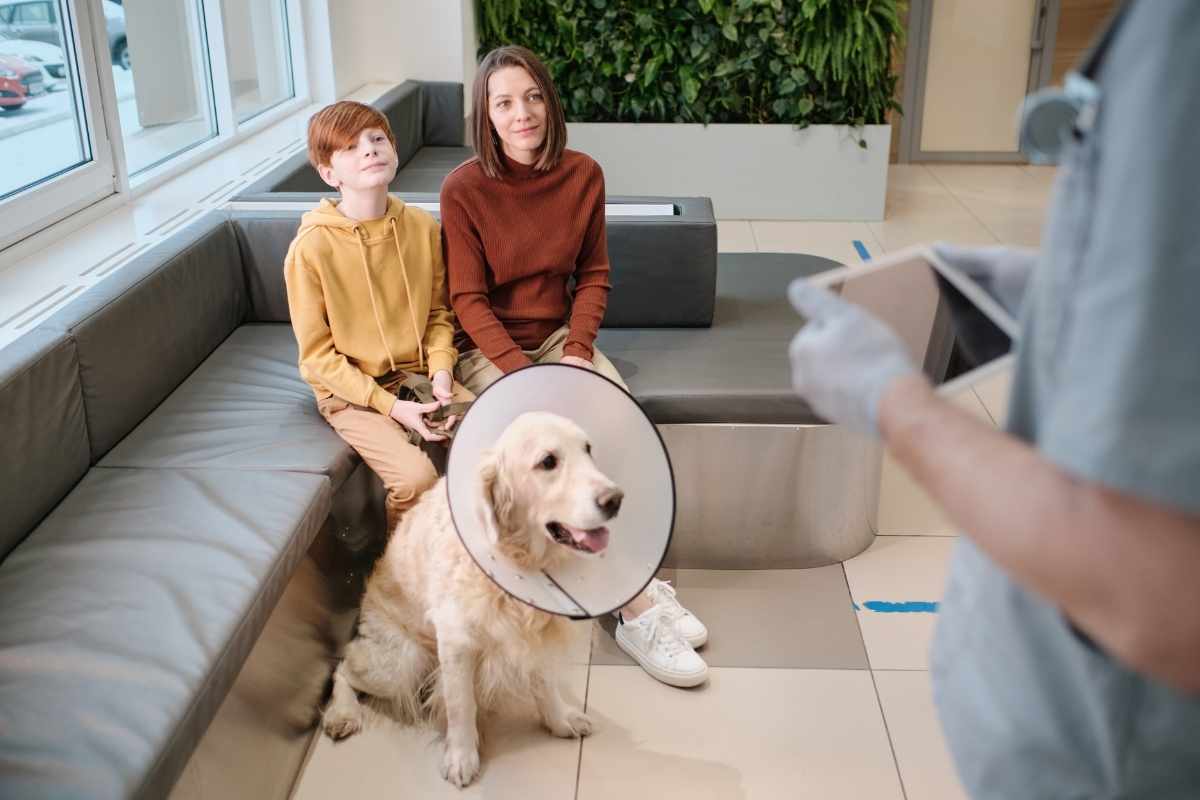
Post-surgical rechecks allow veterinarians to monitor healing and address concerns before complications develop.
Follow-Up Appointments Support Better Recovery Outcomes
- Incisions receive evaluation: Healing progress helps determine next recovery steps.
- Stitches may require removal: Certain sutures remain temporary.
- Reassessment of Pain Level: Regularly assess whether medication adjustments are needed.
- Mobility improvements: Monitoring consistently where orthopedic surgeries especially require close observation.
Routine follow-up care helps ensure healing progresses as expected.
Understanding Recovery Helps Reduce Owner Anxiety
Surgery often feels more stressful for owners than pets themselves. Understanding what to expect before, during, and after procedures can help reduce uncertainty while improving confidence during recovery.
Every pet heals differently depending on age, health condition, and surgical complexity. Staying patient, observant, and consistent with aftercare instructions helps support smoother healing and better comfort throughout recovery.
Helping Pets Heal With Greater Comfort
Pet surgery involves several important stages, including pre-surgical evaluations, anesthesia monitoring, pain management, postoperative recovery at home, and follow-up care.
Understanding each part helps owners feel more confident and makes the healing process safer and smoother. Regular check-ins and following your veterinarian’s advice can really make a positive difference in recovery.
If you’re in Westerville and looking for pet surgery services near you, book an appointment with WestVets Maxtown Veterinary Clinic today. Our team helps guide pet owners through surgical planning, anesthesia monitoring, post-operative care, recovery instructions, and follow-up evaluations. Careful surgical support and recovery guidance can help your pet heal more comfortably while improving long-term wellness and daily quality of life.
Frequently Asked Questions
Q1. Why does my pet seem restless after surgery?
Ans. Grogginess, temporary confusion, discomfort, or lingering effects of anesthesia may cause restlessness during recovery. Calm environments, medication schedules, and reduced stimulation often help pets settle more comfortably afterward.
Q2. How long should activity restrictions continue after surgery?
Ans. Restriction periods vary depending on the procedure performed. Many pets require limited activity for 10 to 14 days while tissues and surgical incisions heal properly.
Q3. Is mild swelling around the incision considered normal?
Ans. Small amounts of swelling may occur initially during healing. Any increase in redness, discharge, heat, bleeding, or worsening swelling should prompt veterinary attention promptly to rule out complications.
Q4. Why does my pet refuse food after anesthesia?
Ans. Temporary nausea, throat irritation, stress, or lingering anesthesia effects may reduce appetite briefly after surgery. Persistent appetite loss, vomiting, or lethargy deserves veterinary evaluation if symptoms continue.
Q5. What happens during a pet surgery follow-up visit?
Ans. Veterinarians examine incision healing, monitor recovery progress, evaluate pain levels, remove sutures if necessary, and discuss whether activity restrictions or medications should continue during ongoing recovery.