7132 State Rt 3, Westerville Ohio 43082

Advanced Feline Cardiac Care
Specialized Heart Care for Your Feline Friend
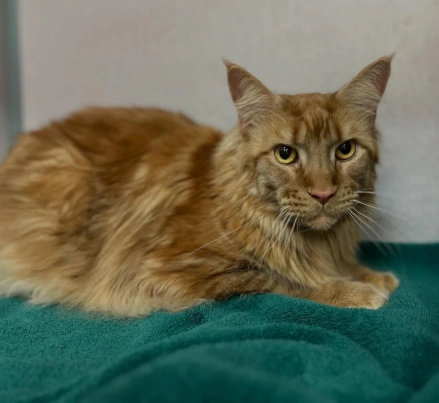
Caring for your cat’s heart health is essential for their long-term well-being. Heart disease in cats can be challenging to detect, as symptoms are often subtle and progress slowly. If left untreated, heart conditions can lead to severe complications. At WestVets Maxtown Veterinary Clinic, we are proud to offer top-notch cat cardiology services in Westerville to help diagnose, treat, and manage heart conditions in your feline companion. Our goal is to provide your cat with the best care possible, allowing them to live a long, happy, and healthy life.
Book Online
Accessible Cat Cardiology Services for Your Feline
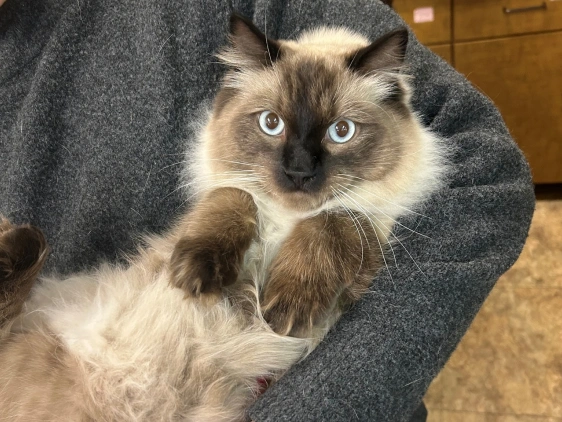
At WestVets Maxtown Veterinary Clinic, we understand that your cat’s health is important to you. Our dedicated team offers specialized heart care, including diagnostic testing, treatments, and ongoing monitoring for heart conditions. Cats can develop a variety of heart diseases, such as hypertrophic cardiomyopathy (HCM), heart murmurs, and congestive heart failure (CHF), which can often be challenging to detect. Early detection and treatment are key to managing these conditions effectively. Our veterinarians are here to ensure your cat receives the best care.
Common Heart Conditions in Cats
Cats, like humans, can suffer from a range of heart conditions. Early detection and treatment can greatly improve the quality of life for a cat with heart disease. Some of the most common heart conditions that we treat
at WestVets Maxtown Veterinary Clinic include:
- Hypertrophic Cardiomyopathy (HCM): HCM is the most common heart disease in cats and occurs when the heart muscle becomes abnormally thickened, reducing its ability to pump blood effectively.
- Heart Murmurs: A heart murmur is an abnormal sound caused by turbulent blood flow within the heart. While not all heart murmurs indicate disease, they can sometimes signal underlying heart problems.
- Congestive Heart Failure (CHF): CHF occurs when the heart is unable to pump blood effectively, leading to fluid buildup in the lungs or abdomen. Symptoms include difficulty breathing, coughing, and lethargy.
- Arrhythmias: These are irregular heartbeats that can cause dizziness, fainting, or weakness. Various conditions, including heart disease or electrolyte imbalances, can cause arrhythmias.
Symptoms of Heart Disease in Cats
Cats are often very good at hiding symptoms of illness, making it important for pet owners to be vigilant for any changes in behavior. Some common signs of heart disease in cats include:
- Lethargy and Weakness: If your cat seems more tired than usual or is avoiding their usual activities, this could indicate a heart problem.
- Coughing or Difficulty Breathing: Cats with heart disease may experience coughing or labored breathing due to fluid buildup in the lungs.
- Loss of Appetite: A decrease in appetite or sudden weight loss may be a sign of heart disease or other underlying health issues.
- Fainting or Collapsing: Sudden fainting or collapsing may indicate a more severe heart issue that requires immediate veterinary attention.
- Swelling in the Abdomen or Limbs: Fluid buildup from heart disease can cause swelling in the abdomen or limbs, which may indicate congestive heart failure.
Diagnostic Services for Cat Heart Health
At WestVets Maxtown Veterinary Clinic, we use a variety of diagnostic tools to assess your cat's heart health. Our state-of-the-art equipment and vets ensure your cat receives the most accurate diagnosis and the best available treatment options. Some of the diagnostic services we offer include:
- Echocardiograms (Ultrasound): This non-invasive test provides a detailed view of your cat's heart, allowing us to assess its function and structure.
- X-rays: Chest X-rays help us evaluate the size of the heart and check for fluid buildup in the lungs.
- Electrocardiograms (ECG): This test measures the heart's electrical activity and helps detect arrhythmias and other abnormal heart rhythms.
- Blood Pressure Monitoring: High blood pressure can be a sign of heart disease, so we regularly monitor blood pressure to identify potential problems early.
Treatment Options for Cat Heart Disease
Once a heart condition is diagnosed, treatment options will depend on the severity and type of heart disease. Some common treatments for heart disease in cats include:
- Medications: We may prescribe ACE inhibitors, diuretics, or beta-blockers to manage symptoms and improve heart function.
- Surgical Options: In some cases, surgery may be necessary to correct heart problems, such as those caused by heart valve issues.
- Lifestyle and Dietary Changes: Maintaining a healthy weight and diet can help support your cat’s heart health. We will work with you to develop a tailored care plan for your pet.
When Should You See a Veterinarian for Your Cat’s Heart Health?
It’s essential to have your cat’s heart health monitored regularly, especially if they are older or have a history of heart disease. If you notice any of the following symptoms, it’s crucial to schedule a veterinary appointment as soon as possible:
- Coughing, especially after exercise or at night
- Difficulty breathing or labored breathing
- Lethargy or loss of interest in normal activities
- Swelling in the abdomen or limbs
- Sudden fainting or collapse
Early diagnosis and treatment are key to managing heart conditions and preventing further complications.
Keep Your Cat's Heart Healthy With Proficient Care
Cardiology is an essential service for ensuring your cat lives a long, healthy life. With the right care and attention, many heart conditions can be managed effectively. At WestVets Maxtown Veterinary Clinic, we are committed to providing high-quality cat cardiology in Westerville to help your cat stay healthy and happy. Schedule an appointment with our team today to ensure your cat’s heart health is in good hands.