7132 State Rt 3, Westerville Ohio 43082



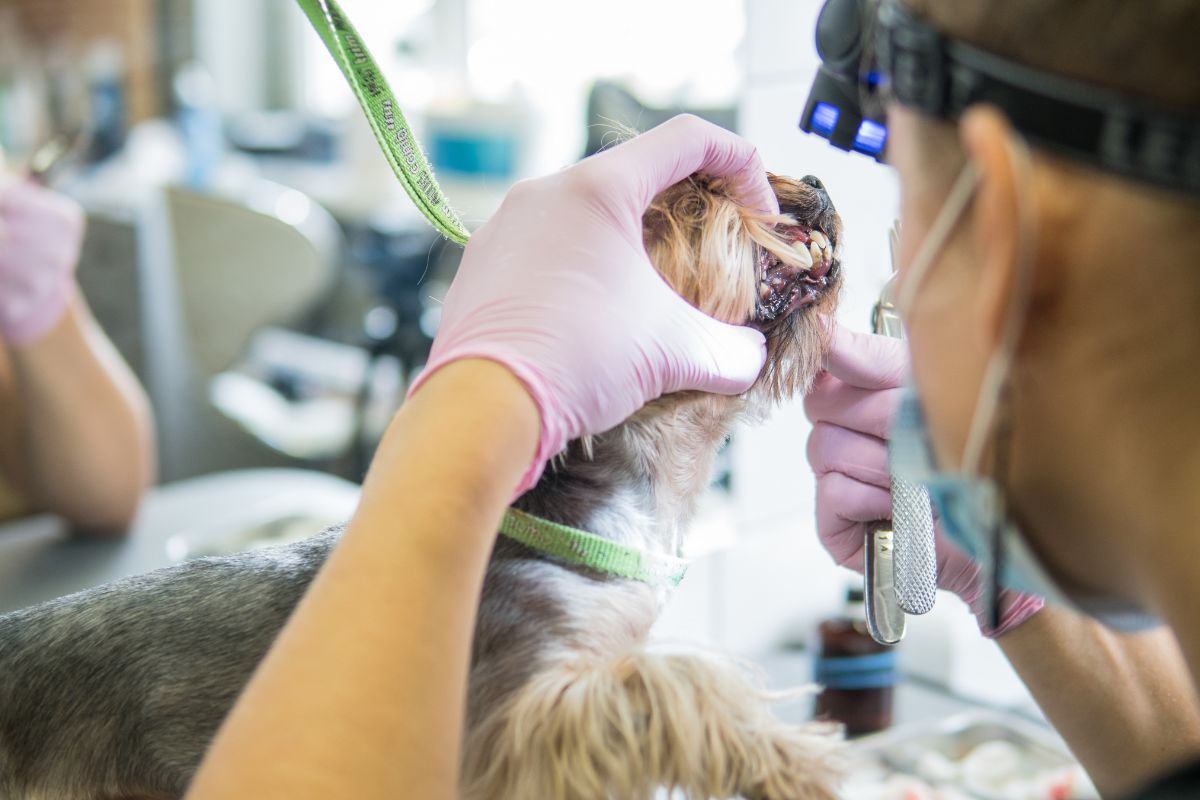
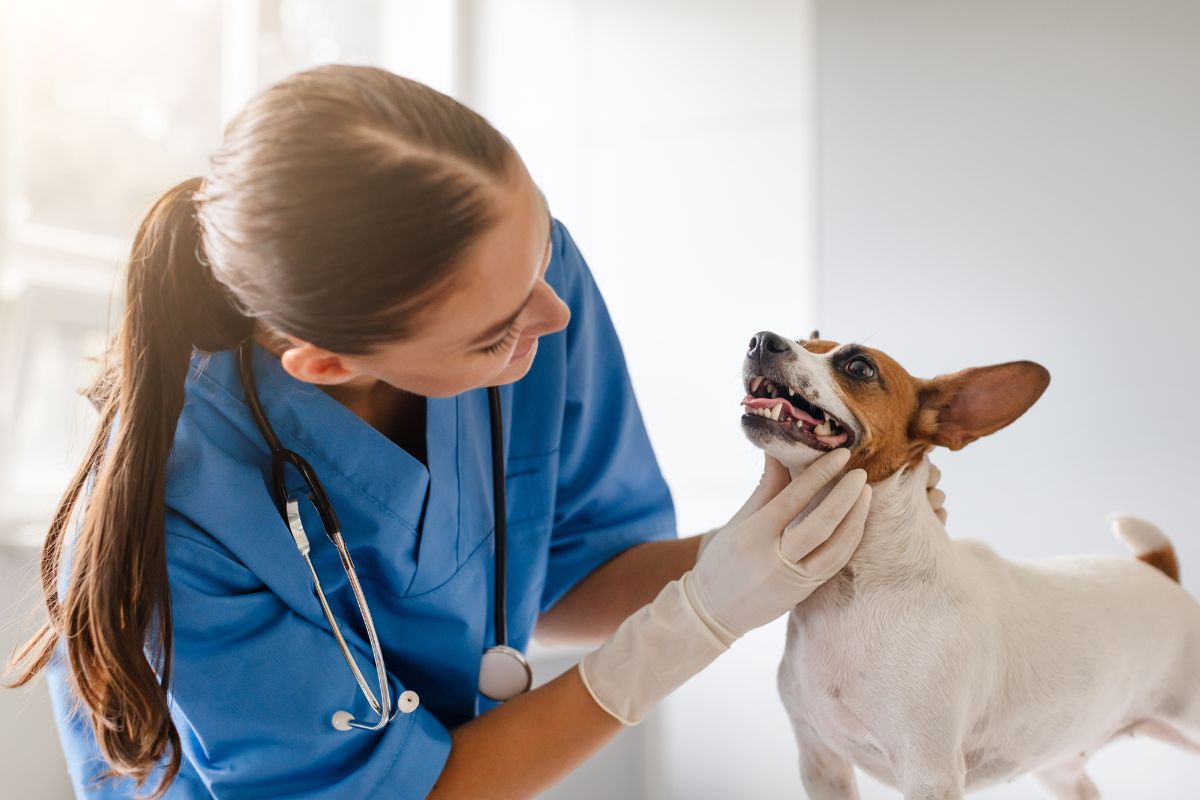
Oral health is a critical part of your pet’s overall wellness. Strong teeth allow dogs and cats to eat properly, maintain good nutrition, and avoid painful dental conditions. While brushing and routine veterinary visits are essential, diet also plays a major role in maintaining healthy teeth and gums. Including the right foods that build strong teeth can help reduce plaque, support enamel strength, and promote better oral hygiene over time.
This guide is designed to help pet owners understand how nutrition contributes to oral health in dogs and cats. While these recommendations apply broadly to pets everywhere, those seeking personalized advice may consult veterinary professionals such as Maxtown Veterinary Clinic. Pet owners in Westerville, OH, and beyond can benefit from learning how simple dietary adjustments support long-term dental health.
Why Nutrition Matters for Pet Dental Health
The food your pet eats directly affects the condition of their teeth and gums. Diets high in soft, sticky, or processed foods can lead to plaque buildup, which eventually hardens into tartar. This creates an environment where bacteria thrive, increasing the risk of gum disease and tooth decay.
On the other hand, foods that encourage chewing or contain essential nutrients like calcium and phosphorus help maintain strong teeth. When combined with consistent dental care for pets, proper nutrition becomes a key factor in preventing oral health issues.
Top Foods That Build Strong Teeth
1. Crunchy Vegetables
Crunchy vegetables such as carrots and celery can act as natural teeth cleaners. Their firm texture helps gently scrape away plaque while your pet chews.
Benefits include:
- Supporting gum health through chewing
- Stimulating saliva production to wash away bacteria
- Providing vitamins and fiber
These vegetables can be offered in moderation as healthy treats for dogs and, in some cases, cats.
2. High-Quality Dry Kibble
Dry kibble is often recommended as part of a dental-friendly diet. Its texture promotes chewing, which helps reduce plaque buildup on the teeth.
What to look for:
- Balanced, high-quality ingredients
- Formulas designed to support oral health
- Veterinary guidance for your pet’s specific needs
While kibble alone is not a complete solution, it complements other dental care practices effectively.
3. Raw Meaty Bones (With Supervision)
Raw bones can provide a natural way to clean teeth through mechanical action. As pets chew, plaque is scraped off, and the gums are stimulated.
Important safety tips:
- Always supervise your pet
- Choose bones appropriate for size and breed
- Avoid cooked bones, which can splinter
When used responsibly, raw bones can support stronger teeth as part of a balanced routine.
4. Dental Treats and Chews
Dental treats are specially formulated to help reduce tartar and promote fresh breath. They are particularly useful for pets that may not tolerate brushing well.
Tips for use:
- Choose veterinarian-recommended products
- Follow portion guidelines
- Avoid overly hard chews that could damage teeth
These treats can be a convenient addition to your pet’s daily oral care routine.
5. Calcium-Rich Foods
Calcium is essential for maintaining strong teeth and bones. Foods like small amounts of cheese or plain yogurt can help support enamel strength.
Benefits:
- Reinforces tooth structure
- Supports overall dental stability
Always ensure your pet tolerates dairy well before including it in their diet.
6. Fresh Water
Water plays a simple but important role in oral health. It helps rinse away food particles and bacteria, reducing the chances of plaque buildup.
Helpful practices:
- Provide clean, fresh water daily
- Encourage regular drinking
- Consider water fountains for added interest
Foods to Limit or Avoid
Some foods can negatively impact your pet’s dental health and should be limited:
- Sticky or sugary treats
- Excessive table scraps
- Soft foods that cling to teeth
These options can accelerate plaque buildup and increase the risk of dental disease.
Supporting Dental Health Beyond Diet
While choosing foods that build strong teeth is important, it should be part of a broader approach to oral care. Pet owners can support dental health by:
- Brushing their pet’s teeth regularly
- Providing safe chew toys
- Scheduling routine dental checkups
- Watching for signs of oral discomfort
Combining diet with proper dental care for pets creates a more effective and long-lasting approach to oral health.
When to Seek Veterinary Guidance
Even with a good diet, pets may still develop dental issues that require professional attention. Signs to watch for include:
- Persistent bad breath
- Red or swollen gums
- Difficulty eating or chewing
- Loose or discolored teeth
Early evaluation can help prevent more serious complications. Pet owners in Westerville, OH, can access guidance from veterinary professionals, including those at Maxtown Veterinary Clinic, for education on maintaining oral health.
A well-balanced diet that includes foods that build strong teeth can make a significant difference in your pet’s oral health. From crunchy vegetables to specially designed dental treats, the right choices help reduce plaque, strengthen enamel, and support healthy gums.
These recommendations are not limited to a specific location and can benefit pets everywhere. However, individualized care remains important. For tailored advice and preventive care, pet owners can book an appointment with Maxtown Veterinary Clinic to better understand their pet’s dental health requirements.
FAQs:
Q1. What are the best foods that build strong teeth in dogs and cats?
Ans. Crunchy vegetables, dental chews, high-quality kibble, and calcium-rich foods are commonly recommended.
Q2. Can diet replace brushing for pet dental care?
Ans. No, diet supports oral health but does not replace regular brushing and professional care.
Q3. Are dental treats safe for daily use?
Ans. Most are safe when used as directed, but portion control is important.
Q4. Do cats benefit from crunchy foods like dogs do?
Ans. Yes, but cats may require specially formulated dental diets and treats.
Q5. How do I know if my pet has dental problems?
Ans. Signs include bad breath, gum inflammation, and difficulty eating.
Q6. How often should pets have dental checkups?
Ans. Most pets benefit from annual dental exams, though some may need more frequent care.