7132 State Rt 3, Westerville Ohio 43082


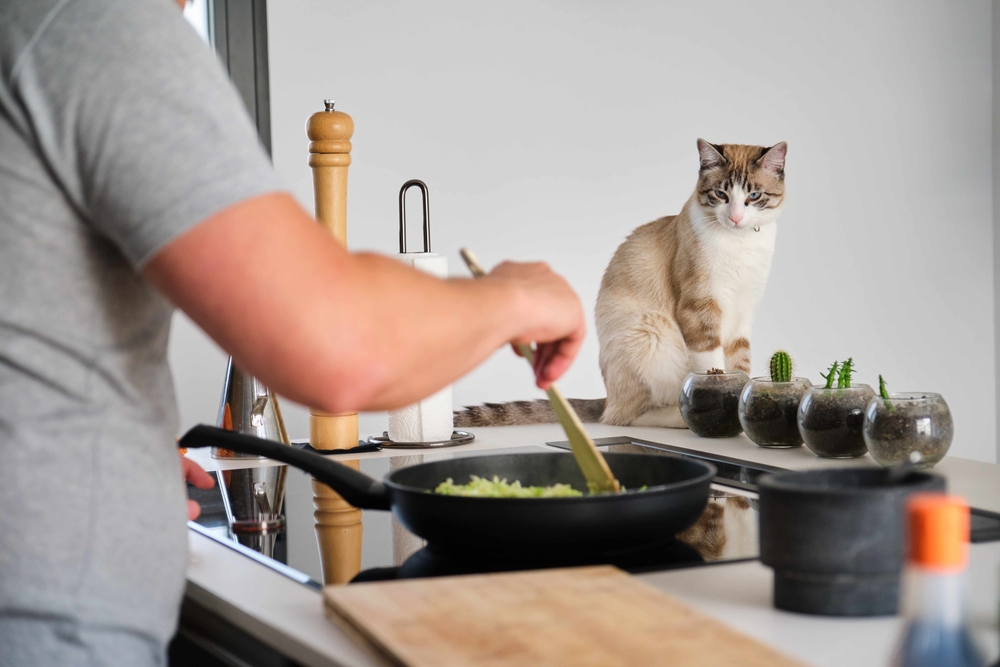
The wellbeing of our beloved pets is a top priority, leading many pet owners to consider preparing homemade food. After all, what could be more loving than crafting meals with fresh, wholesome ingredients? However, while the desire to provide the best for our pets is admirable, the question of whether homemade pet food is the right choice deserves careful consideration.
This article will explore the benefits and risks associated with homemade pet food, providing a balanced perspective grounded in veterinary expertise from Maxtown Veterinary Clinic.
The Allure of Homemade: Benefits of Preparing Pet Food
The increasing popularity of homemade pet food stems from a desire for greater control and transparency in what our pets consume. Let’s explore some key advantages:
- Customized Nutrition for Unique Needs: Every pet is different. Just like humans, they have individual dietary needs and preferences. Some may have allergies, sensitivities, or specific health conditions that require dietary modifications. Homemade food allows pet owners to tailor meals precisely to these needs. Whether it’s adjusting protein sources for allergies, managing weight with controlled portions, or catering to a finicky eater, home-prepared meals offer a level of customization that commercial pet foods often can’t match.
- Quality Control From Bowl to Source: For many pet owners, the ability to handpick fresh, high-quality ingredients provides peace of mind. By choosing whole foods over processed kibble or canned food, owners can prioritize natural ingredients and avoid potential allergens, artificial additives, or preservatives that may be present in commercial brands. This direct control over ingredient sourcing can be particularly appealing for those with pets sensitive to certain ingredients and for pet owners with sick pets who don’t want all the extra or artificial ingredients that can come with commercial pet food.
Navigating the Challenges: Risks of Homemade Pet Food
While the benefits of homemade pet food are enticing, it’s crucial to acknowledge the potential drawbacks and approach this feeding method with careful consideration.
- The Risk of Nutritional Imbalance: Perhaps the most significant concern with homemade pet food is the risk of nutritional deficiencies or excesses. Dogs and cats require a complex balance of over 40 essential nutrients in varying amounts depending on their age, breed, size, activity level, and health status.
Unlike commercial pet foods, which are formulated to meet these specific requirements (AAFCO standards), homemade diets can easily become unbalanced without proper knowledge and planning. Any imbalance, even if seemingly minor, can lead to serious health issues over time.
For those hoping to lean on the expertise of others, its important to understand that many of the internet-based and even book-based food recipes for dogs and cats are not complete and balanced.
- The Commitment of Time and Effort: Preparing balanced meals for your pet at home is a significant time commitment. It requires meticulous research, meal planning, grocery shopping, food preparation, and careful portion control. The process can be especially demanding for owners with busy schedules or multiple pets.
Recognizing Red Flags: Signs of Nutritional Deficiencies
Early detection of nutritional imbalances is vital to prevent long-term health problems. Here’s what to watch for:
- Subtle Signs, Significant Impact: While some deficiencies may manifest as obvious symptoms, others can be subtle and easily overlooked. Be vigilant for changes in your pet’s behavior or physical condition, such as:
- Lethargy and Decreased Energy Levels: A lack of essential nutrients can lead to fatigue and reduced stamina along.
- Decreased exercise/altered movement: Improperly balanced pet food can lead to bone density and bone malformation problems especially in the young and growing pet that can prevent them from moving around normally.
- Changes in Coat Condition: A dull, dry, or brittle coat can signal deficiencies in essential fatty acids, vitamins, or minerals.
- Digestive Issues: Frequent vomiting, diarrhea, constipation, or changes in appetite can indicate dietary imbalances.
- Weight Loss or Gain: Unexplained fluctuations in weight, even if seemingly small, warrant investigation.
- The Importance of Veterinary Consultation: If you notice any of these signs or are considering switching your pet to a homemade diet, consult your veterinarian. They can assess your pet’s individual needs, recommend appropriate dietary changes, and help you create a balanced and safe homemade diet plan. You can schedule an appointment with us through our Contact Us page.
Tips for Success: Preparing Homemade Pet Food Safely
If you’re committed to providing homemade meals for your pet, following these guidelines can help minimize risks:
- Prioritize Balanced Nutrition:
- Protein Power: Include high-quality protein sources like meat, poultry, fish, or eggs.
- Carbohydrate Choices: Opt for complex carbohydrates like brown rice, quinoa, or sweet potatoes over high-glycemic index carbohydrates such as white rice.
- Healthy Fats: Incorporate sources of essential fatty acids from an animal source, such as fish oil.
- Vital Vitamins and Minerals: Consult with your veterinarian about appropriate supplements to ensure your pet receives all the essential vitamins and minerals they need.
Remember, achieving a truly balanced pet diet requires careful planning. It’s not as simple as just throwing together ingredients you have on hand.
- Practice Safe Food Handling:
- Toxic Ingredient Awareness: Familiarize yourself with common foods that are toxic to pets, such as chocolate, grapes, onions, and garlic. Don’t include these ingredients in any amount in your pet’s food.
- Proper Cooking Methods: Ensure all ingredients are cooked thoroughly to eliminate potential bacteria and parasites.
- Cleanliness is Key: Maintain a clean and sanitary food preparation area to prevent contamination of your pet’s food while also protecting your human family.
Making Informed Decisions for Your Pet’s Health

The decision of whether or not to make your pet’s food at home is a personal one. While it offers potential benefits like customized nutrition and ingredient control, it also presents challenges, primarily the risk of nutritional imbalances and the time commitment involved.
At Maxtown Veterinary Clinic, we’re dedicated to partnering with you to provide the best possible care for your pet. If you’re considering homemade pet food, we encourage you to schedule a consultation for nutrition counseling. Our team can provide personalized guidance, address your concerns, and help you make informed decisions that prioritize your pet’s long-term health. Visit Maxtown Veterinary Clinic or contact us today for more information.