7132 State Rt 3, Westerville Ohio 43082


A healthy pet brings a different kind of energy into a home. Excited greetings at the door, playful zoomies across the living room, and peaceful naps after a long walk often reflect something deeper happening behind the scenes, consistent preventive care. Many serious health concerns in pets begin quietly, showing subtle warning signs long before obvious symptoms appear. Small daily habits can make a major difference in helping your companion stay active, comfortable, and healthy throughout the year.
Seasonal weather changes, nutrition, exercise routines, parasite prevention, and wellness exams all play important roles in long-term pet health. If you’re a pet owner in Westerville, OH, this blog is especially for you. Knowing how preventive care aids your pet throughout each season can help you make better choices for their health. Now could be an ideal moment to book an appointment at WestVets Maxtown Veterinary Clinic.
Healthy Nutrition Fuels Daily Pet Energy
Food impacts almost every aspect of your pet’s health, including skin, digestion, immunity, weight, joint comfort, and energy. While feeding habits might appear straightforward, poor diet choices can lead to avoidable health problems over time.
Smart Feeding Choices Support Better Longevity
- Choose proper life-stage diets: Puppies, kittens, adults, and senior pets require different nutrient balances for healthy development and aging.
- Measure meals carefully: Extra calories may slowly lead to obesity, joint strain, diabetes, and reduced mobility.
- Keep clean water available: Hydration supports digestion, circulation, temperature regulation, and kidney health.
- Avoid excessive treats: Frequent treats and table scraps can quietly increase unhealthy weight gain.
- Monitor appetite changes: Sudden increases or decreases in eating habits may signal underlying health concerns.
Pets with recurring digestive problems, skin irritation, or fluctuating weight may benefit from nutritional guidance during routine veterinary visits.
Routine Exams Catch Hidden Problems Early
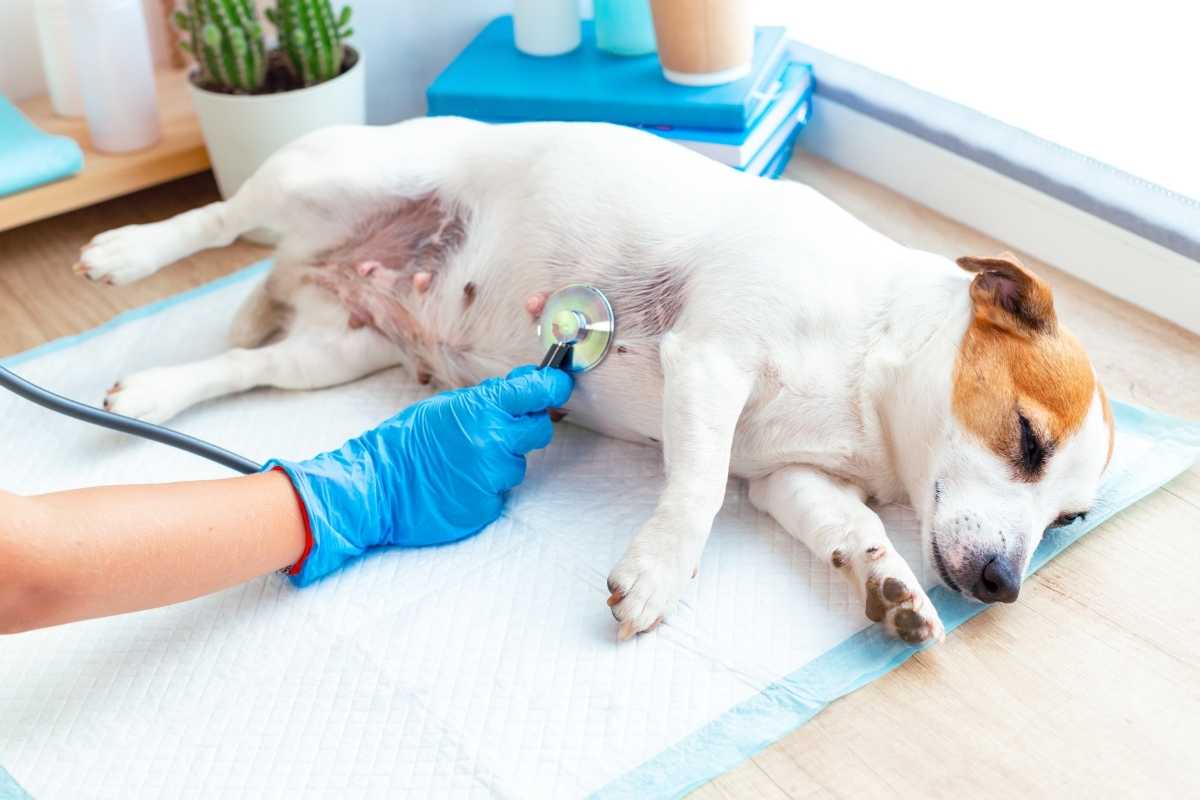
Pets naturally hide discomfort. Many animals continue to eat, play, and behave normally even as underlying health concerns progress silently. Preventive wellness exams help identify subtle changes before they become more difficult to manage.
Regular Checkups Help Prevent Bigger Concerns
Routine wellness visits may include:
- Weight evaluations: Gradual changes in weight often reveal hidden issues.
- Heart and lung assessments: Early abnormalities may appear before visible symptoms develop.
- Dental examinations: Oral disease frequently develops without obvious warning signs.
- Parasite screenings: Internal parasites often remain undetected without testing.
- Vaccination reviews: Lifestyle changes may affect vaccine recommendations.
- Bloodwork monitoring: Internal changes sometimes appear before physical symptoms emerge.
Annual wellness visits remain important for healthy adult pets, while puppies, kittens, and senior companions often benefit from more frequent evaluations.
Aging Pets Need Additional Preventive Support
As they age, pets experience changes that may affect mobility, appetite, hearing, vision, and organ function. Minor behavioral changes can be early signs of more serious problems developing over time.
Watch for signs including:
- Difficulty standing or climbing stairs: Joint discomfort may reduce mobility.
- Increased thirst: Excessive drinking sometimes signals metabolic or kidney concerns.
- Changes in sleep habits: Restlessness or nighttime pacing deserves attention.
- Reduced interest in activity: Lower energy levels should never be ignored.
- Weight fluctuations: Sudden changes may indicate underlying illness.
Early intervention often helps improve comfort and quality of life for aging pets.
Year-Round Parasite Prevention Protects Your Companion
Parasites can be active for more months of the year than many pet owners might think. Fleas, ticks, mosquitoes, and intestinal parasites are a concern for both indoor and outdoor pets, so it’s great to stay vigilant and protect our furry friends year-round.
Consistent Prevention Helps Reduce Serious Risks
- Heartworm prevention: Mosquito-transmitted heartworms may damage the heart and lungs.
- Tick protection: Tick-borne illnesses can trigger fatigue, fever, and joint discomfort.
- Flea control: Fleas commonly cause itching, allergic reactions, and skin irritation.
- Routine fecal testing: Some intestinal parasites remain invisible without screening.
- Preventive medications: Consistent monthly prevention reduces avoidable exposure risks.
Skipping parasite prevention, even for a short period, may increase the likelihood of infection.
Strong Dental Health Supports Whole Body Wellness
Bad breath in pets should never be dismissed as normal. Dental disease affects many pets long before owners notice visible discomfort. Bacteria from infected gums may eventually spread through the bloodstream and affect major organs.
Early Dental Warning Signs Often Go Unnoticed
Watch for symptoms such as:
- Persistent bad breath: Strong odors may signal infection or plaque buildup.
- Difficulty chewing food: Oral pain often affects eating habits.
- Drooling excessively: Mouth irritation may increase saliva production.
- Bleeding or swollen gums: Gum inflammation may worsen over time.
- Pawing at the mouth: Pets sometimes react to oral discomfort by pawing at their mouths.
Daily Dental Care Creates Lasting Benefits
- Brush teeth regularly: Pet-safe toothpaste helps reduce plaque accumulation.
- Use approved dental chews: Some products help keep teeth cleaner between visits.
- Schedule oral evaluations: Veterinary dental assessments help identify hidden concerns.
- Monitor chewing behavior: Sudden changes may indicate discomfort.
Healthy teeth often contribute to better appetite, comfort, and long-term wellness.
Daily Exercise Keeps Pets Physically Balanced
Exercise supports more than weight management. Regular movement benefits mental stimulation, emotional wellness, joint flexibility, and cardiovascular health.
Different Pets Require Different Activity Levels
High-energy breeds may require longer walks, active play sessions, or mentally stimulating activities. Smaller breeds and senior pets often benefit from shorter low-impact routines.
Helpful exercise options include:
- Structured leash walks: Daily walks support heart and joint health.
- Interactive puzzle toys: Mental challenges reduce boredom and stress.
- Fetch-and-retrieval games: Active play strengthens coordination and bonding.
- Swimming activities: Water exercise supports mobility with less joint strain.
- Indoor enrichment sessions: Rainy days still require stimulation and movement.
Mental Stimulation Helps Reduce Behavioral Issues
Bored pets may develop destructive habits, including chewing furniture, scratching surfaces, barking excessively, or pacing frequently. Rotating toys and introducing new activities can help improve emotional balance and reduce stress-related behaviors.
For many pet owners, preventive care becomes easier to maintain when veterinary guidance feels supportive and informative. WestVets Maxtown Veterinary Clinic continues helping families stay proactive through wellness exams, vaccinations, dental evaluations, diagnostics, nutritional guidance, and ongoing health monitoring. Their team remains dedicated to helping pets stay healthier at every stage of life and to helping owners better understand their changing health needs throughout the year.
Seasonal Changes Bring Different Safety Concerns
Every season introduces unique risks for pets. Temperature changes, environmental allergens, and outdoor exposure can all affect your companion’s comfort and health.
Summer Heat Can Become Dangerous Quickly
- Avoid hot pavement: Paw pads may burn during peak temperatures.
- Carry water outdoors: Hydration becomes especially important during warm weather.
- Watch for overheating: Heavy panting and weakness may indicate heat exhaustion.
- Never leave pets in vehicles: Interior temperatures rise rapidly within minutes.
Winter Weather Creates Hidden Hazards
- Protect paws from ice chemicals: Salt and de-icers may irritate sensitive skin.
- Limit prolonged cold exposure: Smaller breeds and senior pets often struggle in freezing temperatures.
- Provide warm sleeping spaces: Draft-free resting areas improve comfort.
- Monitor outdoor pets carefully: Shelters should remain insulated and dry.
Seasonal Allergies Commonly Affect Household Pets
Environmental allergens may trigger:
- Persistent itching: Excessive scratching often signals irritation.
- Recurring ear problems: Allergies frequently affect the ears.
- Watery eyes: Seasonal triggers may irritate sensitive pets.
- Excessive paw licking: Repetitive licking may indicate discomfort.
Veterinary evaluations can help identify appropriate allergy management options before symptoms worsen.
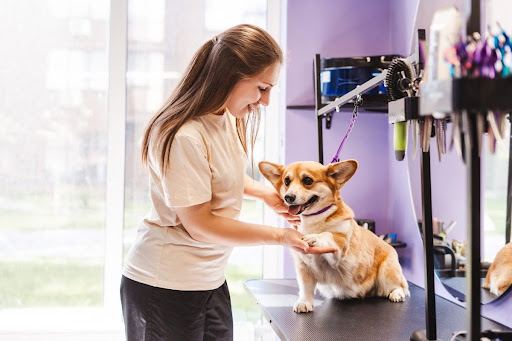
Grooming Sessions Reveal Changes Owners Miss
Regular grooming supports more than appearance. Grooming routines create opportunities to identify skin concerns, ear irritation, lumps, parasites, and coat changes before they progress.
Home Grooming Checks Support Early Detection
- Inspect ears weekly: Odor or redness may indicate an infection.
- Check your skin carefully: any new lumps or bumps deserve attention.
- Trim nails consistently: Overgrown nails may affect posture and movement.
- Monitor coat condition: Sudden shedding changes sometimes reflect underlying issues.
- Look between the paw pads: debris and irritation often collect there.
Consistent grooming also strengthens trust and bonding between pets and owners.
Emotional Wellness Matters More Than Expected
Stress affects pets physically and emotionally. Changes in routine, loud environments, travel, or separation anxiety may influence appetite, digestion, sleep patterns, and behavior.
Calm Routines Support Better Behavioral Health
- Maintain consistent schedules: Predictable routines help reduce anxiety.
- Create quiet resting areas: Safe spaces improve emotional comfort.
- Use positive reinforcement: Reward-based training encourages healthy behaviors.
- Introduce changes gradually: Sudden disruptions may increase stress levels.
- Provide regular interaction: Social connection supports emotional well-being.
Behavioral changes should always receive attention, especially when accompanied by changes in appetite or energy.
Preventive Care Creates Healthier Everyday Living
Preventive care works best when healthy habits become part of daily life instead of occasional reactions to illness. Consistent nutrition, regular exercise, parasite prevention, vaccinations, wellness exams, and dental care all contribute to stronger long-term health outcomes.
Puppies and kittens benefit from preventive foundations early in life, while adult and senior pets require continued monitoring as their needs evolve. Staying proactive allows you to notice changes sooner and support your companion more confidently through every season.
Take Preventive Actions That Help Your Pet
Healthy pets often enjoy better comfort, stronger energy levels, improved mobility, and happier routines when preventive care stays consistent throughout the year. Daily habits, combined with routine veterinary care, can help reduce avoidable illnesses and support a better quality of life at every stage of your pet’s journey.
If you’re in Westerville and searching for preventive pet care services, book a preventive care appointment with WestVets Maxtown Veterinary Clinic today. Our team helps pet owners stay informed about wellness exams, vaccinations, parasite prevention, nutrition guidance, dental care, and seasonal health concerns. Regular preventive care can help your pet stay healthier, more active, and more comfortable all year long.
Frequently Asked Questions
Q1. Why does my pet seem less active during seasonal changes?
Ans. Temperature shifts, allergies, arthritis discomfort, or changes in routine may affect activity levels. Persistent low energy deserves veterinary evaluation to rule out underlying health concerns before symptoms progress further.
Q2. Can indoor pets still develop parasite problems?
Ans. Indoor pets may encounter fleas, mosquitoes, or intestinal parasites through visitors, shared surfaces, grooming facilities, or short outdoor exposure. Preventive medications help reduce hidden risks throughout the year.
Q3. How often should healthy adult pets receive wellness exams?
Ans. Most healthy adult pets benefit from yearly wellness visits. Senior pets, young animals, and pets with ongoing medical conditions may require more frequent evaluations and monitoring.
Q4. What signs suggest my pet could have dental disease?
Ans. Bad breath, swollen gums, drooling, chewing difficulties, reduced appetite, or pawing at the mouth commonly indicate oral discomfort or possible dental disease that may require veterinary attention.
Q5. Why does preventive care matter even when my pet seems healthy?
Ans. Many illnesses develop gradually without obvious symptoms early on. Preventive care helps identify subtle changes sooner, supporting faster treatment, improved comfort, and healthier long-term outcomes for pets.