7132 State Rt 3, Westerville Ohio 43082


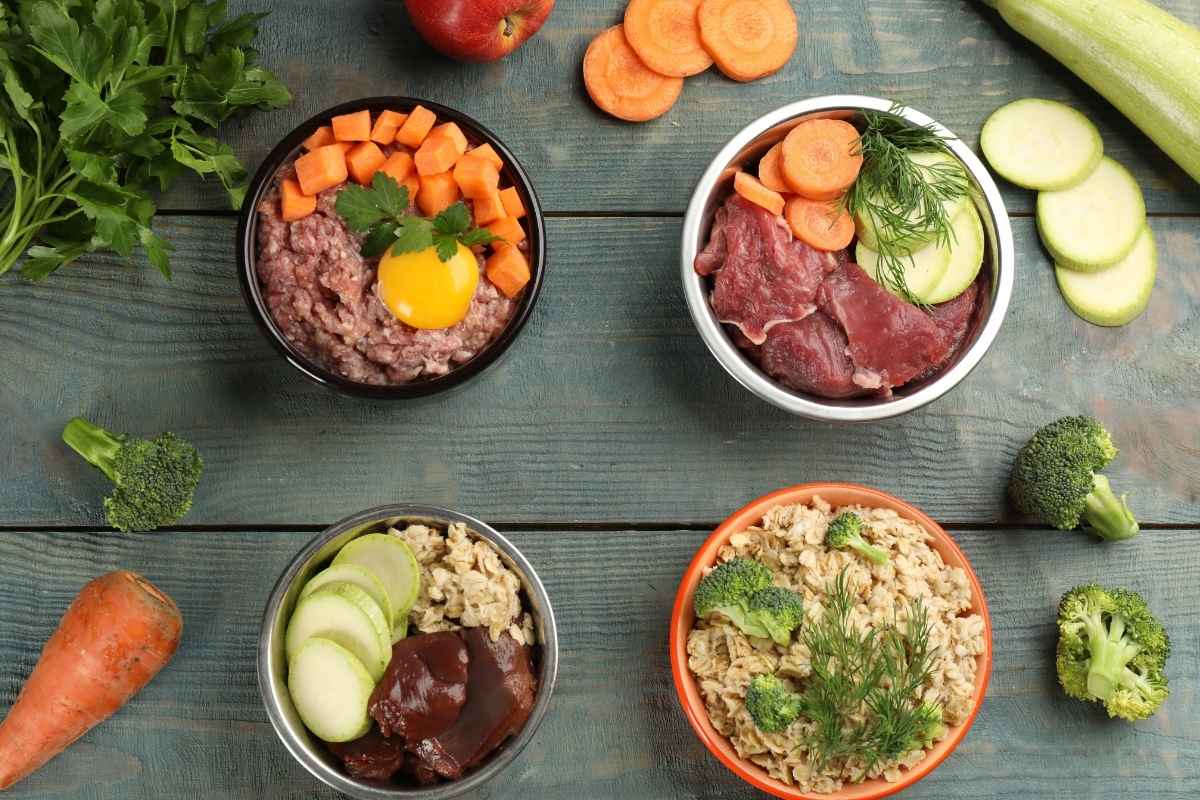
More dog owners are rethinking what goes into their pet’s bowl. With rising concerns about commercial dog food ingredients, preservatives, and product recalls, homemade dog food has become an increasingly popular choice. While cooking fresh meals for your dog sounds rewarding, it requires careful planning to ensure complete and balanced nutrition.
Homemade dog food is not simply about combining leftovers. Done correctly, it can support your dog’s digestive health, coat quality, energy levels, and overall longevity. Done incorrectly, it can lead to serious nutritional deficiencies over time.
What Does “Vet-Approved” Homemade Dog Food Mean?
The term “vet-approved” means a recipe or feeding plan has been reviewed and confirmed to meet a dog’s complete nutritional requirements. Dogs need a precise balance of proteins, fats, carbohydrates, vitamins, and minerals – and these needs vary based on age, breed, size, and health condition.
A meal that looks healthy to humans may still fall short for dogs. For example, plain chicken and rice is commonly used for digestive upset, but are not nutritionally complete for long-term feeding. Vet-approved diets are typically formulated with guidance from a veterinary nutritionist to fill all nutritional gaps.
Core Nutritional Requirements for Dogs
Before preparing any homemade meal, understand what your dog genuinely needs:
- Protein (40–70%): Chicken, turkey, beef, fish, and eggs support muscle development and immune function.
- Healthy Fats (10–15%): Fish oil and chicken fat provide omega-3 and omega-6 fatty acids for skin and coat health.
- Complex Carbohydrates (20–30%): Brown rice, sweet potatoes, and oats offer sustained energy and fiber.
- Calcium and Phosphorus: Critical for bone health – ground eggshells or bone meal are common sources.
- Vitamins and Minerals: Often provided through leafy greens, carrots, blueberries, and canine multivitamin supplements.
Safe Ingredients to Use in Homemade Dog Food
Proteins:
- Lean ground turkey or beef (cooked, unseasoned)
- Boneless, skinless chicken breast
- Salmon (cooked and deboned)
- Hard-boiled or scrambled eggs
Vegetables:
- Carrots, green beans, zucchini, spinach, peas, and sweet potatoes
Grains and Starches:
- Brown rice, white rice, oatmeal, and barley
Recommended Supplements:
- Fish oil (omega-3 support)
- Calcium powder or ground eggshell
- Canine-specific multivitamins
Foods That Are Toxic to Dogs – Never Use These
Even well-meaning dog owners can accidentally include harmful ingredients. The following are toxic to dogs and must never appear in homemade meals:
- Onions and garlic (all forms – raw, cooked, powdered)
- Grapes and raisins (can cause kidney failure)
- Xylitol (found in some peanut butters and sweeteners – extremely dangerous)
- Avocado (contains persin, harmful to dogs)
- Macadamia nuts
- Chocolate and caffeine
- Raw yeast dough
Always check ingredient labels carefully, especially on store-bought broths, sauces, or spreads.
A Simple Vet-Guided Starter Recipe
Here is a basic recipe that follows general veterinary nutritional guidelines. Always consult your vet before making it a regular part of your dog’s diet.
Ingredients:
- 1.5 lbs ground turkey (cooked)
- 1 cup brown rice (cooked)
- 1 cup chopped carrots (steamed)
- ½ cup green beans (steamed)
- ½ cup sweet potato (plain, mashed)
- 1 tbsp fish oil
- Canine calcium supplement (per label dosing)
Instructions: Cook all ingredients separately, allow to cool completely, then combine thoroughly. Portion based on your dog’s weight and caloric needs. Refrigerate for up to four days or freeze in individual servings.
Note: This recipe is a starting point only. Adjustments should be made based on your dog’s specific health profile and veterinary guidance.
How to Transition Your Dog to Homemade Food
Switching your dog’s diet too quickly can cause digestive upset, including vomiting or diarrhea. Follow this gradual transition schedule:
| Week | Current Food | Homemade Food |
| Week 1 | 75% | 25% |
| Week 2 | 50% | 50% |
| Week 3 | 25% | 75% |
| Week 4 | 0% | 100% |
Monitor your dog’s stool consistency, energy, and appetite throughout. Any sudden or concerning changes should be discussed with your veterinarian promptly.
Why Veterinary Guidance Matters
Switching to homemade dog food should never be based solely on online research. A veterinary hospital plays a critical role in evaluating your dog’s current health, identifying nutritional gaps, and recommending appropriate supplements or dietary adjustments.
Routine bloodwork and nutritional consultations allow your vet to confirm your dog is genuinely thriving – not just appearing healthy on the surface. Many dogs have breed-specific or age-related needs that require a personalized approach. Partnering with a qualified veterinary hospital team ensures your homemade feeding efforts are truly benefiting your pet’s long-term health.
General Portion Size Guidelines
| Dog Weight | Daily Amount (Approx.) |
| Under 10 lbs | ½ to ¾ cup |
| 10–25 lbs | ¾ to 1.5 cups |
| 25–50 lbs | 1.5 to 2.5 cups |
| 50–75 lbs | 2.5 to 3.5 cups |
| Over 75 lbs | 3.5+ cups |
These are general estimates. Puppies, senior dogs, and highly active dogs require adjusted portions. Your veterinarian can calculate precise daily caloric needs based on your dog’s resting energy requirement (RER).
Make Nutrition a Priority
Homemade dog food, when prepared correctly, can be one of the most thoughtful health decisions you make for your pet. The key is doing it right – with fresh ingredients, proper balance, and consistent professional oversight.
At Maxtown Veterinary Clinic, our team proudly supports dog owners across Westerville, Galena, Sunbury, Alum Creek, Harlem, and the surrounding area with personalized nutritional guidance and compassionate veterinary care. Contact us today to discuss your dog’s diet and build a health plan tailored specifically to their needs.
Frequently Asked Questions
Q1: How do I know if my homemade dog food recipe is nutritionally balanced?
Ans. Have your recipe reviewed by a veterinary nutritionist or your primary vet. Blood panels done every 6–12 months can also help confirm whether your dog is receiving adequate nutrients over time.
Q2: Can I feed my dog raw homemade food instead of cooked?
Ans. Raw diets carry bacterial contamination risks. Most veterinarians recommend cooked homemade food for safety. If you’re considering a raw diet, discuss it thoroughly with your vet before starting.
Q3: Is homemade dog food expensive to maintain long-term?
Ans. Costs depend on ingredient choices and your dog’s size. Buying in bulk and preparing large batches for freezing can help make homemade feeding more budget-friendly over time.
Q4: My dog has food allergies – is homemade food a good option?
Ans. Yes. Homemade diets give you full control over ingredients, which is beneficial for dogs with known allergies or sensitivities. Always identify the allergen first through veterinary testing before building a long-term meal plan.
Q5: How often should I rotate proteins in my dog’s homemade diet?
Ans. Rotating proteins every few weeks – such as chicken to turkey, or beef to fish – can help prevent food sensitivities and provide a broader range of amino acids. Introduce new proteins gradually.
Q6: Can puppies safely eat homemade food?
Ans. Yes, but puppy nutrition is more complex, with higher calcium and phosphorus requirements for proper bone development. Any homemade puppy diet must be carefully formulated and approved by a veterinarian before use.