7132 State Rt 3, Westerville Ohio 43082


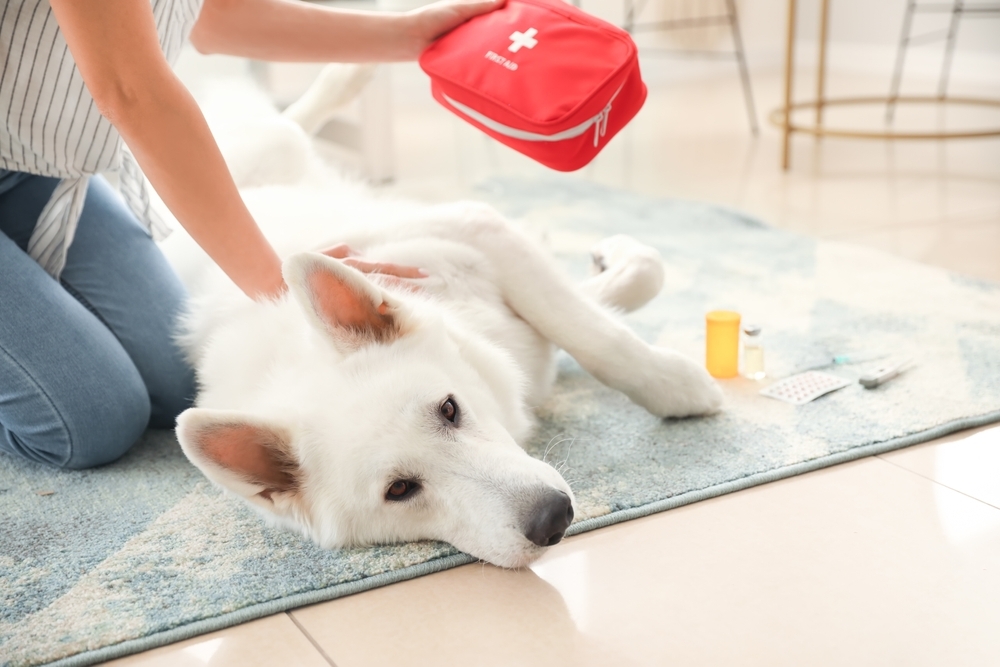
Dogs are naturally resilient, but they can’t always communicate when something is seriously wrong. As a pet owner, recognizing the early warning signs of a medical emergency can be critical in protecting your dog’s health—and in some cases, saving their life.
At Maxtown Veterinary Clinic, we often see cases where early intervention could have prevented more serious complications. Understanding what constitutes an emergency helps you act quickly and confidently when your dog needs urgent care.
While this guide is helpful for dog owners everywhere, those living in Westerville, OH, can benefit from knowing when to seek prompt veterinary attention locally.
Why Recognizing Emergencies Matters
Dogs often hide pain or illness, which means symptoms may only become noticeable when a condition has progressed. Early recognition and prompt treatment are critical in preventing complications.
Understanding the signs of distress allows you to act quickly and seek urgent care for pets when it’s needed most.
1. Difficulty Breathing
Breathing problems are always an emergency. Watch for:
- Rapid or labored breathing
- Wheezing or choking sounds
- Blue or pale gums
These signs may indicate respiratory distress, heart issues, or airway obstruction and require immediate veterinary attention.
2. Persistent Vomiting or Diarrhea
Occasional stomach upset is common, but repeated vomiting or diarrhea can quickly lead to dehydration and signal a more serious issue.
Seek immediate care if:
- Symptoms persist for more than 24 hours
- There is blood in vomit or stool
- Your dog appears weak or lethargic
3. Sudden Lethargy or Collapse
If your dog suddenly becomes extremely weak, unresponsive, or collapses, this is a medical emergency.
Possible causes include:
- Internal bleeding
- Heart problems
- Severe infections
Immediate evaluation is crucial to determine the underlying issue.
4. Seizures or Uncontrolled Tremors
Seizures can be alarming and may indicate neurological conditions, toxin exposure, or other serious health concerns.
- A single seizure warrants a vet visit
- Multiple or prolonged seizures require emergency care
Keep your dog safe during the episode and seek help immediately.
5. Signs of Severe Pain
Dogs in pain may show subtle or obvious signs, such as:
- Whining or vocalizing
- Restlessness or inability to settle
- Aggression when touched
- Limping or reluctance to move
Pain is often a symptom of an underlying issue that needs prompt attention.
6. Bloated or Distended Abdomen
A swollen abdomen can indicate a life-threatening condition such as gastric dilatation-volvulus (bloat).
Warning signs include:
- A visibly enlarged belly
- Unsuccessful attempts to vomit
- Restlessness or pacing
This condition progresses rapidly and requires immediate emergency care.
7. Difficulty Urinating or Defecating
Straining or inability to urinate or pass stool can signal serious issues such as blockages or infections.
Seek urgent care if:
- Your dog is straining repeatedly
- There is blood in the urine or stool
- Your dog shows signs of discomfort
8. Ingestion of Toxic Substances
Dogs are naturally curious and may ingest harmful items, including:
- Household chemicals
- Toxic foods (like chocolate or grapes)
- Medications
If you suspect poisoning, contact a veterinarian immediately. Do not wait for symptoms to appear.
9. Uncontrolled Bleeding or Trauma
Injuries from accidents, falls, or fights can lead to internal or external bleeding.
- Apply gentle pressure to visible wounds
- Seek immediate veterinary care
Even if injuries seem minor, internal damage may not be visible.
10. Pale Gums or Changes in Gum Color
Healthy gums should be pink. Pale, white, or blue gums can indicate shock, anemia, or oxygen deprivation.
This is a critical sign that requires immediate medical attention.
What to Do in a Pet Emergency
Being prepared can make a significant difference during an emergency:
- Stay calm and assess the situation
- Contact your nearest veterinary clinic immediately
- Transport your dog safely and quickly
- Avoid giving food or medication unless instructed
Having a plan ensures you can act quickly when every second counts.
The Importance of Timely Veterinary Care
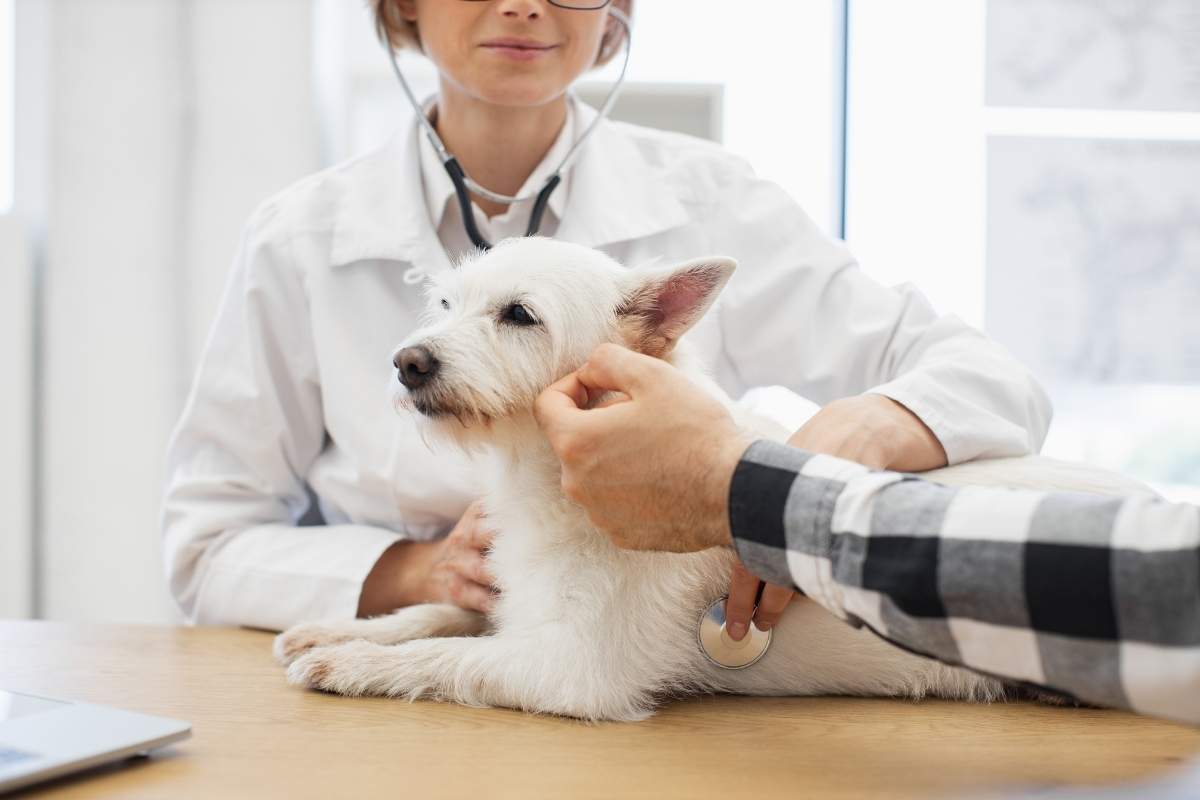
Prompt medical attention can prevent complications and improve recovery outcomes. At Maxtown Veterinary Clinic, our team is committed to providing compassionate and timely care for pets in need.
Schedule your appointment at Maxtown Veterinary Clinic if you notice concerning symptoms or need professional guidance.
Frequently Asked Questions (FAQs)
Q1. What should I do if my dog is having trouble breathing?
Ans. Seek immediate veterinary care, as breathing issues can quickly become life-threatening.
Q2. How can I tell if vomiting is serious?
Ans. If vomiting is frequent, contains blood, or is accompanied by lethargy, it requires prompt attention.
Q3. Are seizures always an emergency in dogs?
Ans. Yes, especially if they are prolonged or occur repeatedly within a short period.
Q4. What are the signs of internal bleeding in dogs?
Ans. Pale gums, weakness, and collapse can indicate internal bleeding and require urgent care.
Q5. When should I worry about my dog’s lethargy?
Ans. If lethargy is sudden, severe, or lasts more than a day, consult a veterinarian immediately.
Q6. Can dental issues cause emergencies in dogs?
Ans. Yes, severe infections from untreated dental problems can lead to systemic health issues.