7132 State Rt 3, Westerville Ohio 43082


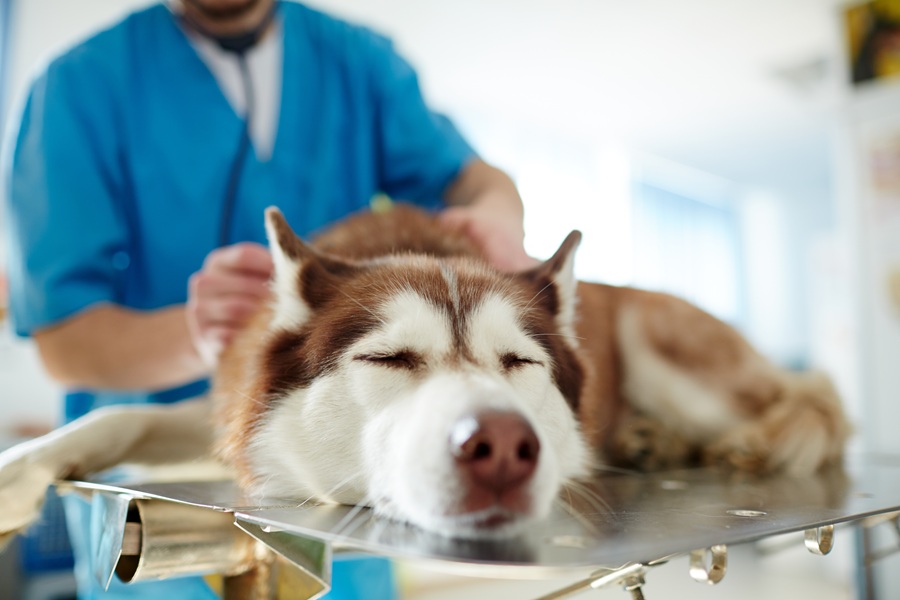
As pets age, their bodies naturally become more sensitive to medications and procedures. Senior pets often face health conditions like kidney, liver, or heart issues that can affect how their bodies respond to anesthesia. While anesthesia carries some risks, advances in veterinary medicine have made procedures much safer. By understanding these risks and preparing properly, pet owners can ensure their furry friends undergo surgery with minimal complications.
Why Senior Pets Require Extra Attention
Older pets may develop slower metabolism, reduced organ function, or chronic illnesses, which increase anesthesia risk. Vets performing procedures on senior pets conduct thorough pre-anesthetic exams to evaluate overall health. Diagnostic tests such as blood work, X-rays, or heart screenings help identify hidden risks. This extra attention allows veterinarians to tailor anesthesia plans specifically for each senior pet, improving safety and recovery outcomes.
Pre-Anesthetic Evaluation: Key to Safety
Before any surgery, a complete pre-anesthetic evaluation is essential. Veterinarians assess vital signs, organ function, and overall wellness. They may adjust the type or dosage of anesthesia based on your pet’s unique needs. Pet owners play a vital role by providing a complete medical history, noting any medications, allergies, or previous reactions to anesthesia. This collaboration ensures the safest approach for senior pets receiving care in senior pet care Westerville clinics.
Choosing the Right Anesthesia Protocol
Modern veterinary medicine offers several anesthesia options, including inhalants, injectables, or combination protocols. For senior pets, veterinarians often use lighter doses and medications that minimize stress on the heart and kidneys. Monitoring devices track heart rate, blood pressure, oxygen levels, and breathing during procedures, allowing immediate adjustments if needed. By carefully selecting anesthesia protocols, vets reduce the risk of complications and support smooth recoveries.
Tips for Pet Owners Before Surgery
Pet parents can prepare their senior pets for anesthesia in several ways. Ensure your pet fasts according to vet instructions, typically 8–12 hours before the procedure. Keep your pet hydrated and maintain regular routines to reduce stress. Discuss any concerns with your veterinarian and clarify instructions for medications or post-surgery care. Being proactive and informed helps minimize risks and gives your senior pet the best chance for a safe procedure.
Recovery: What to Expect After Anesthesia
Post-anesthesia recovery varies by age, health, and the type of procedure. Senior pets may take longer to regain full consciousness and mobility. Keep your pet in a quiet, comfortable space and monitor for unusual symptoms such as lethargy, vomiting, or difficulty walking. Follow all post-operative instructions, including medication schedules, diet changes, and activity restrictions. With careful observation, recovery can be smooth, allowing your pet to return to normal life quickly.
When to Contact Your Vet Immediately
Even with proper care, some complications can arise. Contact your veterinarian immediately if your senior pet shows:
- Labored breathing or rapid panting
- Persistent vomiting or diarrhea
- Signs of pain or distress
- Unusual swelling or bleeding
Early intervention can prevent serious complications and ensure your senior pet’s health is protected.
FAQs About Pet Anesthesia for Senior Pets
1. Is anesthesia safe for older dogs and cats?
Ans. Yes, with proper evaluation and monitoring, anesthesia is generally safe for senior pets. Advanced protocols minimize risk.
2. How can I help reduce my pet’s anesthesia risks?
Ans. Provide a detailed medical history, follow pre-surgery instructions, and discuss any health concerns with your vet.
3. What tests are done before anesthesia?
Ans. Blood work, heart screening, and sometimes X-rays help assess organ function and detect hidden risks.
4. How long does recovery take for senior pets?
Ans. Recovery varies but often takes longer than for younger pets. Close monitoring and a quiet environment aid healing.
5. Can medications affect anesthesia safety?
Ans. Yes, certain medications may interact with anesthesia. Your vet will adjust protocols to ensure safety.
6. How often should senior pets have checkups?
Ans. Senior pets benefit from at least twice-yearly checkups to monitor health and detect issues early, especially if procedures are needed.
Final Thoughts on Senior Pet Anesthesia
Anesthesia for senior pets is safer than ever thanks to advances in veterinary medicine. With careful pre-anesthetic evaluation, tailored protocols, and vigilant post-operative care, senior pets can undergo necessary procedures with minimal risk. Pet owners play a critical role in providing information, preparation, and monitoring. By working closely with senior pet care Westerville providers, you can ensure your beloved older pets enjoy safe procedures and healthy, happy lives.