7132 State Rt 3, Westerville Ohio 43082


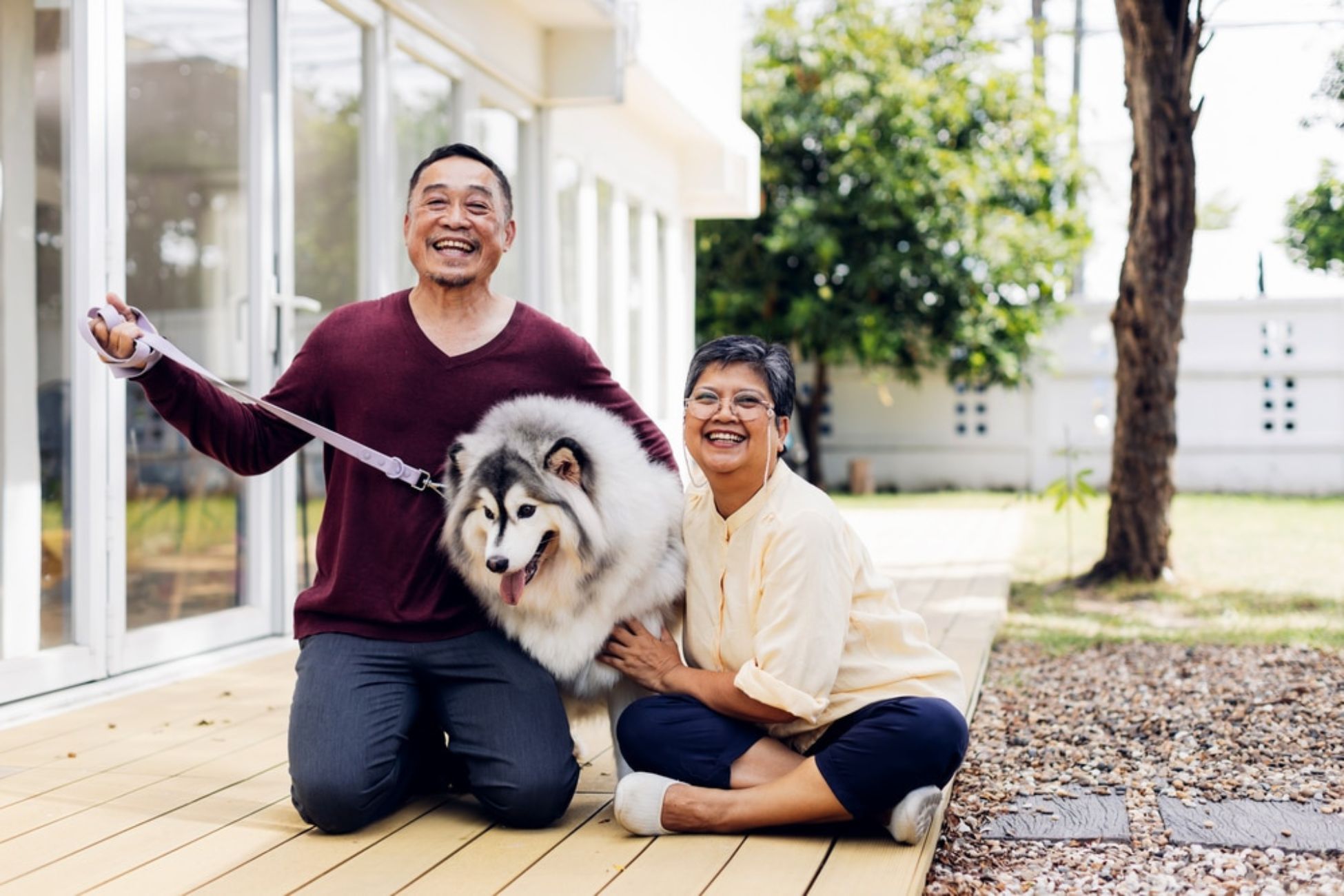
It’s a beautiful, yet sometimes bittersweet, journey to watch our beloved pets transition into their senior years. The boundless energy of youth might be replaced with a gentle slumber, and playful romps might become strolls. Just like humans, as pets age, their needs change, and providing them with the best possible care at home becomes increasingly important. This blog will guide you through the essential aspects of caring for your senior pet, ensuring their golden years are comfortable, happy, and filled with love.
Understanding the Signs of Aging in Pets
The first step in providing excellent senior pet care is recognizing the signs of aging. These can vary depending on the species and breed, but typical indicators include:
- Changes in Activity Levels: Reduced stamina, difficulty jumping or climbing, increased sleeping.
- Physical Changes: Graying fur (especially around the muzzle), weight fluctuations (gain or loss), duller coat, lumps or bumps.
- Sensory Decline: Decreased vision (bumping into objects), hearing loss (not responding to commands), reduced sense of smell.
- Behavioral Shifts: Increased irritability, anxiety, disorientation, changes in house-training habits, increased vocalization.
- Medical Conditions: Arthritis, dental disease, kidney disease, heart conditions, cognitive dysfunction (similar to Alzheimer’s in humans).
Early recognition enables proactive care and timely veterinary intervention, which can significantly enhance your pet’s quality of life.
Creating a Comfortable and Safe Environment
Your senior pet’s home environment should be a sanctuary. Consider these adjustments:
- Comfortable Bedding: Provide orthopedic beds or extra cushioning to support aching joints. Place beds in easily accessible, warm, draft-free areas.
- Accessibility Aids: Ramps for beds or furniture, non-slip mats for slippery floors, and raised food and water bowls can help ease the strain on joints.
- Temperature Regulation: Senior pets are more sensitive to extreme temperatures. Ensure they are kept warm in winter and cool in summer.
- Reduced Obstacles: Clear pathways to minimize tripping hazards. If your pet’s vision is declining, avoid rearranging furniture frequently.
- Easy Outdoor Access: Make it easy for them to access the outdoors for bathroom breaks, especially if they have mobility issues.
Nutrition Tailored for Senior Needs
Diet plays a crucial role in managing your senior pet’s health.
- Senior Formulas: Consult your veterinarian about switching to a senior-specific pet food. These formulas are typically lower in calories to prevent weight gain, higher in fiber for digestive health, and often contain supplements like glucosamine and chondroitin for joint support.
- Portion Control: Monitor your pet’s weight closely. Obesity can exacerbate joint problems and other health issues.
- Hydration: Ensure constant access to fresh water. Some senior pets may benefit from multiple water bowls placed around the house.
- Dental Health: Dental disease is common in older pets and can lead to serious health problems. Regular dental check-ups, dental chews, and brushing (if tolerated) are vital.
Regular Veterinary Care is Non-Negotiable
Frequent veterinary check-ups become even more critical as your pet ages.
- Bi-Annual Exams: Many veterinarians recommend bi-annual (every six months) check-ups for senior pets. This allows for early detection of age-related conditions.
- Bloodwork and Urinalysis: Routine blood and urine tests can help monitor organ function and identify potential issues before they become severe.
- Pain Management: Discuss pain management options with your vet if your pet shows signs of discomfort from arthritis or other conditions. There are various medications, supplements, and alternative therapies available.
- Vaccinations and Parasite Control: Continue with appropriate vaccinations and flea/tick/heartworm prevention as recommended by your vet.
Mental Stimulation and Gentle Exercise
While their physical abilities may wane, senior pets still need mental and gentle physical stimulation.
- Short, Frequent Walks: Replace long, strenuous walks with shorter, more frequent outings. This helps maintain muscle mass and promotes bowel regularity.
- Gentle Play: Engage in gentle play sessions that don’t put excessive strain on their joints. Soft toys or puzzle feeders can be good options.
- Consistent Routine: A predictable daily routine can reduce anxiety and disorientation in senior pets, especially those with cognitive decline.
- Positive Reinforcement: Continue to use positive reinforcement and praise. Your senior pet still thrives on your affection and attention.
Emotional Support and Unconditional Love
Perhaps the most critical aspect of caring for a senior pet is showering them with love and patience. They may not be as outwardly playful or energetic, but their need for companionship remains strong. Be patient with accidents, celebrate their good days, and offer extra cuddles and reassurance. Their love for you is unwavering, and they deserve nothing less in return.
As your cherished companion enters their golden years, remember that your dedication and thoughtful care can make all the difference. While the path may present new challenges, the privilege of providing comfort, security, and boundless love to your senior pet in the familiar embrace of home is a profound and rewarding experience, deepening the bond you share with every gentle purr, contented sigh, and loving gaze.