7132 State Rt 3, Westerville Ohio 43082


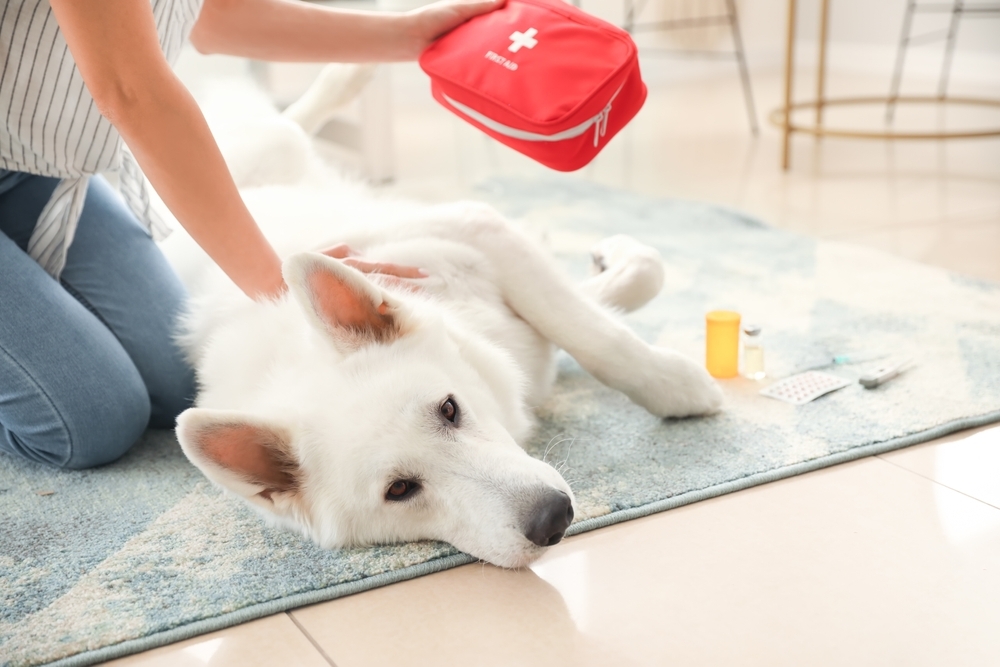
No matter how careful we are, pets find creative ways to get into trouble—from slipping on the stairs to tangling with wildlife or chewing on something they shouldn’t. When accidents happen, every second counts. As a pet owner, knowing what to do in the moment can make a life-changing difference.
But here’s the truth: the first time you try to check between your dog’s toes shouldn’t be when those toes are bleeding. Pets often don’t like having their feet, head, or tail touched—especially when they’re in pain. That’s why training your pet to tolerate handling and basic first aid at home is just as important as knowing what to do in an emergency.
This guide will walk you through:
- Common types of pet injuries
- First aid actions to take before you reach the vet
- When to seek emergency care
- How to practice first-aid readiness before it’s needed
If you’re facing an urgent situation, don’t wait—visit West Vet Emergency Clinic for expert emergency care.
Practice Makes Calm: First-Aid Prep Starts Before the Emergency
You can’t predict an injury, but you can prepare for one. Many pets are shy about having their paws handled, their ears examined, or their mouth opened—and that hesitation becomes even more intense when they’re hurt. Trying to trim a broken nail or examine a wound on a dog that’s foot-shy can lead to panic, pain, and even bites.
Why First-Aid Practice Matters
- Helps your pet feel more comfortable being touched during real emergencies
- Reduces the chance they’ll need sedation for simple exams or wound care
- Makes it safer for vets, groomers, and your family
- Builds trust and lowers anxiety in unfamiliar situations
How to Train Your Pet for Handling
Start early, go slowly, and always use positive reinforcement:
- Gently touch and hold your pet’s ears, paws, tail, and mouth during calm moments
- Reward with treats and praise to build positive associations
- Practice wrapping towels around them like you would in a restraint
- Let them get comfortable with a cone or muzzle before they need it
- Enlist friends or family to simulate “strangers” touching them in a safe, low-stress setting
Pro Tip: Make handling a game—“touch and treat” training sessions just 2–3 times a week can make all the difference when your pet really needs care.
Common Causes of Pet Injuries (and What to Do First)
Car Accidents (Hit-by-Car Injuries)
Signs: Limping, bleeding, difficulty breathing, shock
What to Do:
- Keep your pet calm and still
- Use a towel, blanket, or board to transport
- Go to the vet immediately—internal injuries aren’t always visible
Read more – ASPCA Emergency Care
Bite Wounds or Fights
Signs: Swelling, pain, puncture wounds, limping
What to Do:
- Clean minor wounds gently with warm water
- Never break up a fight with your hands—use a loud sound or barrier
- Seek veterinary care to prevent infection
More on Bite Wounds – AKC
Sprains, Strains, and Fractures
Signs: Limping, swelling, unwilling to walk
What to Do:
- Restrict movement
- Apply a cold compress
- Get veterinary care to rule out fractures
Dog Sprains – TPLOinfo
Torn or Broken Nails
Signs: Bleeding, limping, licking paws
What to Do:
- Apply pressure to stop bleeding
- If safe, trim the broken part with pet clippers
- Bandage the paw and see your vet if deep or infected
More on Nail Injuries – Kinship
Ingesting Foreign Objects or Choking
Signs: Gagging, pawing at mouth, vomiting, bloating
What to Do:
- Only try to remove the object if it’s visible and safe to reach
- Never induce vomiting without veterinary advice
- Head to the vet immediately
Pet Emergency Prevention – UW-Madison
Foxtails and Outdoor Hazards
Signs: Excessive licking, sneezing, pawing at ears or eyes
What to Do:
- Don’t try to remove deeply embedded foxtails—seek veterinary removal
More on Foxtails – UC Davis
Heatstroke
Signs: Heavy panting, drooling, collapse
What to Do:
- Move your pet to a cool, shaded area
- Apply cool (not cold) water to their belly and paws
- Get to the vet immediately—heatstroke can be fatal within minutes
Safe Handling Tips for Injured Pets
Even the gentlest pet may lash out when scared or in pain. Here’s how to handle them safely:
- Approach slowly, speak in a calm voice
- Use a muzzle if needed (towel, leash, or gauze can work in a pinch)
- Wrap them in a towel or blanket to transport safely
- Avoid touching painful areas directly unless necessary
7 Conditions That Cause Pain in Pets – AAHA
When to Go Straight to the Emergency Vet
Seek immediate care if your pet has:
- Severe bleeding that won’t stop in 5 minutes
- Trouble breathing
- Seizures or unconsciousness
- Suspected poisoning
- Broken bones or visible deformities
- Dragging legs or signs of paralysis
Preventing Injuries: Set Your Pet Up for Safety
- Secure your yard and leash your pet near roads or unfamiliar areas
- Pet-proof your home by removing chewable hazards: Essential Pet-Proofing Tips
- Train your pet using positive reinforcement to reduce reactivity or escape risk
- Stay current on vaccines to prevent infections after bites or wounds
Be Ready Before It Happens
Accidents are unpredictable—but your response doesn’t have to be. Practicing body-handling, knowing what’s normal for your pet, and understanding basic first aid can turn a scary moment into a manageable one.
At Maxtown Veterinary Clinic, we’re here to help—whether you need emergency care now or want to prepare for the future.