7132 State Rt 3, Westerville Ohio 43082



Dogs are experts at hiding discomfort, which makes it challenging for owners to know when something is wrong. Many health issues start with subtle changes in behavior, appetite, or routine. Recognizing these early warning signs can help you get prompt veterinary care, prevent complications, and ensure your dog stays healthy.
This guide highlights 10 subtle symptoms that could indicate your dog is sick and offers actionable tips for pet owners.
1. Altered Eating Habit
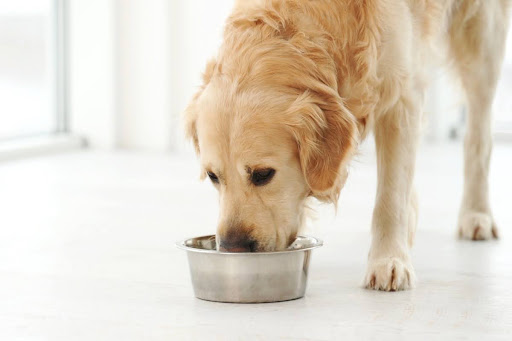
A sudden decrease or increase in appetite may signal an underlying health issue. Monitor how often your dog eats and note any changes in food preferences.
2. Unusual Lethargy
If your dog is less active than usual or seems to tire quickly during walks or playtime, it may be a sign that your dog is experiencing health issues or pain.
3. Increased Thirst and Bathroom Frequency
Increased thirst or frequent urination may point to conditions such as diabetes, kidney disease, or urinary tract infections. Track water intake and bathroom habits carefully.
4. Unusual Behavioral Shifts
Irritability, withdrawal, or aggression can sometimes be linked to pain or illness. Even minor behavioral shifts should not be ignored.
5. Subtle Weight Loss or Gain
Unexpected changes in weight, even small amounts, can indicate metabolic or organ-related problems. Regularly weigh your dog or monitor body condition.
6. Frequent Upset Stomach
Occasional digestive issues are common, but persistent, Frequent Upset Stomach may suggest infection, dietary intolerance, or more serious gastrointestinal issues.
7. Coughing or Labored Breathing
Persistent coughing, wheezing, or difficulty breathing may indicate respiratory or heart conditions. Identifying problems early greatly improves the chances of successful treatment.
8. Skin or Coat Changes
Dry patches, hair loss, lumps, or rashes can be subtle indicators of allergies, infections, or hormonal imbalances. Routine grooming helps spot these early.
9. Changes in Mobility
Stiffness, limping, or difficulty rising could signal joint problems, arthritis, or injury. Even mild mobility changes should be assessed and checked by a veterinarian
10. Eye, Ear, or Nose Issues
Discharge, redness, cloudiness, or unusual smells from the eyes, ears, or nose can indicate infections or systemic health problems. Consistent monitoring allows you to spot potential health concerns before they worsen.
Actions to Follow When Symptoms Appear
- Keep a Care Log – Keep a log of changes in behavior, appetite, or physical signs.
- Schedule a Vet Visit Promptly – Seeking veterinary attention promptly increases the likelihood of a positive recovery.
- Maintain Routine Care – Ensure vaccinations, parasite prevention, and dental hygiene are up-to-date.
- Provide Comfort and Support – Adjust diet, activity, and environment to reduce stress while awaiting evaluation.
Dogs often hide early signs of illness, making vigilance key for every pet owner. By observing subtle symptoms that could indicate your dog is sick, documenting changes, and seeking timely veterinary care, can help keep your dog in good health and maintain their overall well-being. If you live in Westerville, Ohio, and are searching for the best veterinary care, the Maxtown Veterinary Clinic offers expert services to keep your dog in top health. Early attention and preventive care make all the difference.
FAQs
Q1. How do I know when my dog’s low energy is a cause for concern?
Ans. If your dog shows consistent fatigue, refuses to play, or struggles with basic movement, contact your vet for a thorough evaluation.
Q2. Are subtle behavior changes always a sign of illness?
Ans. Not always, but sudden or persistent changes in temperament can indicate pain or discomfort that requires attention.
Q3. When should I be concerned about appetite changes?
Ans. If your dog refuses food for more than 24–48 hours or shows dramatic increases in appetite, it’s important to seek veterinary guidance.
Q4. How frequently should I monitor my dog’s weight?
Ans. Monthly weight checks or monitoring body condition during grooming helps detect unexplained changes early.
Q5. Can dental problems cause subtle illness symptoms?
Ans. Yes. Issues like gum disease or tooth pain can affect appetite, behavior, and overall health. Regular brushing and vet checkups help prevent problems.
Q6. Are skin changes always serious?
Ans. Not always, but persistent dryness, rashes, or hair loss should be evaluated by a vet to rule out infection or allergies.